What is the secret to a long and happy life?
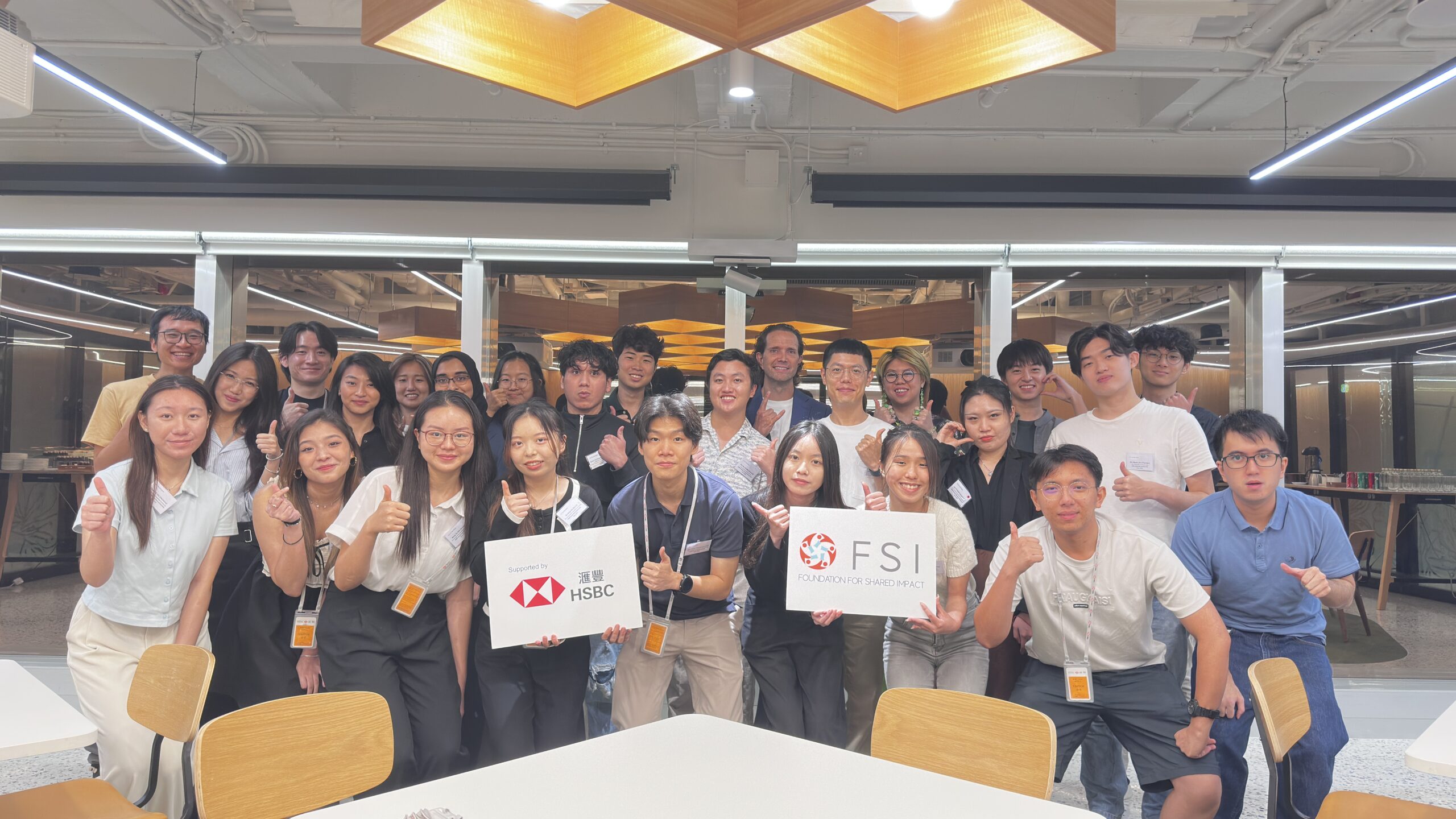
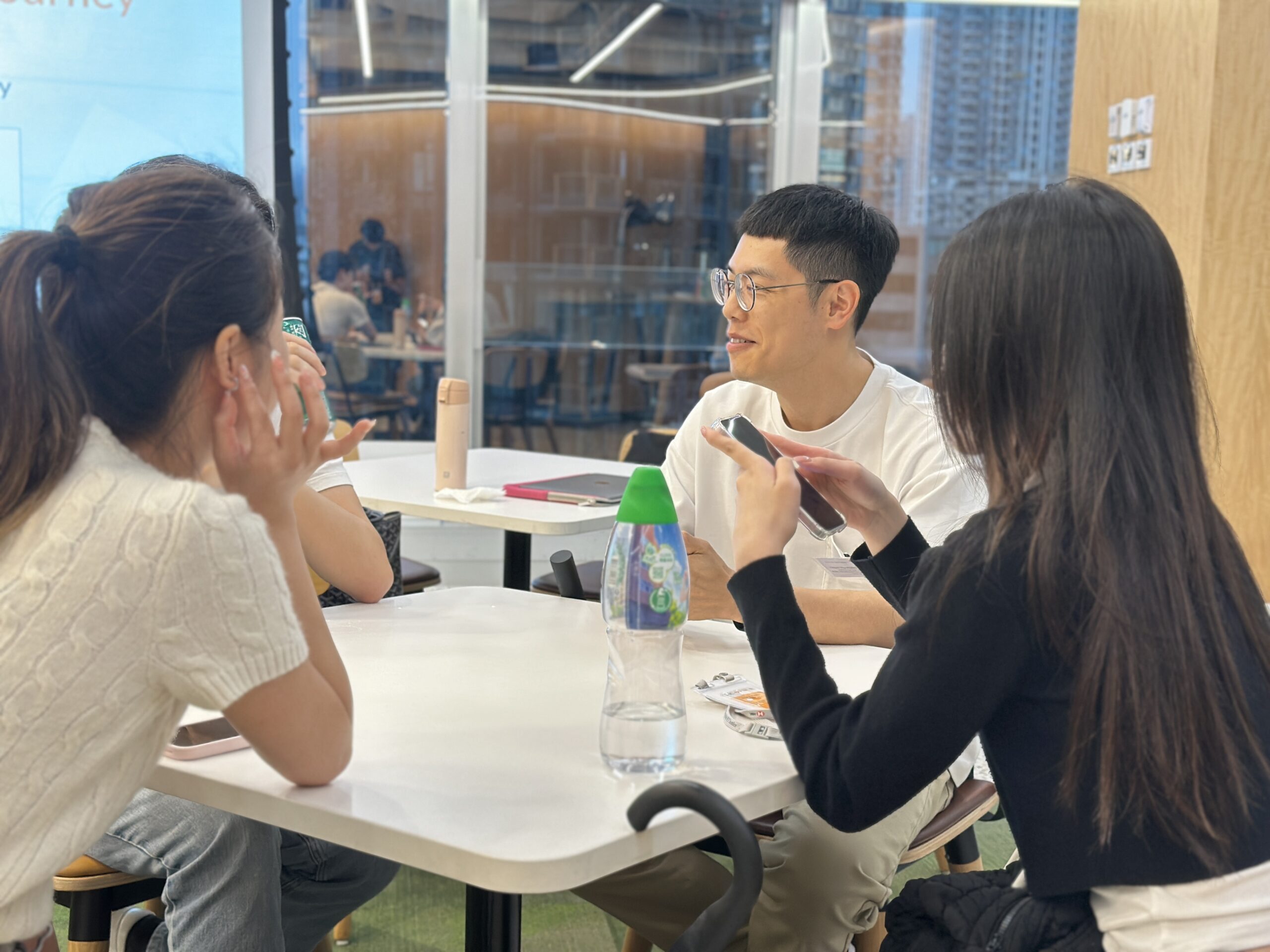
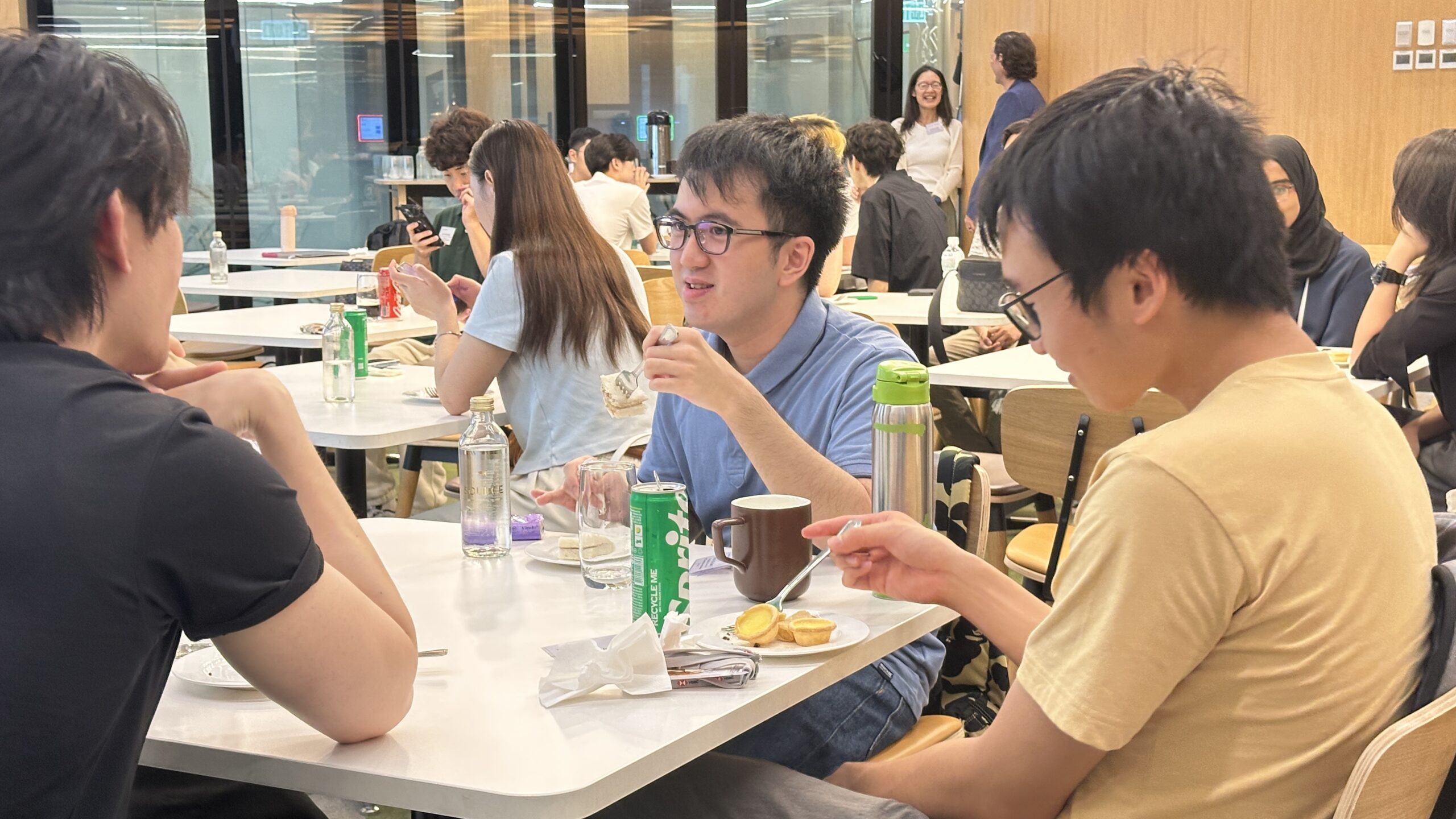
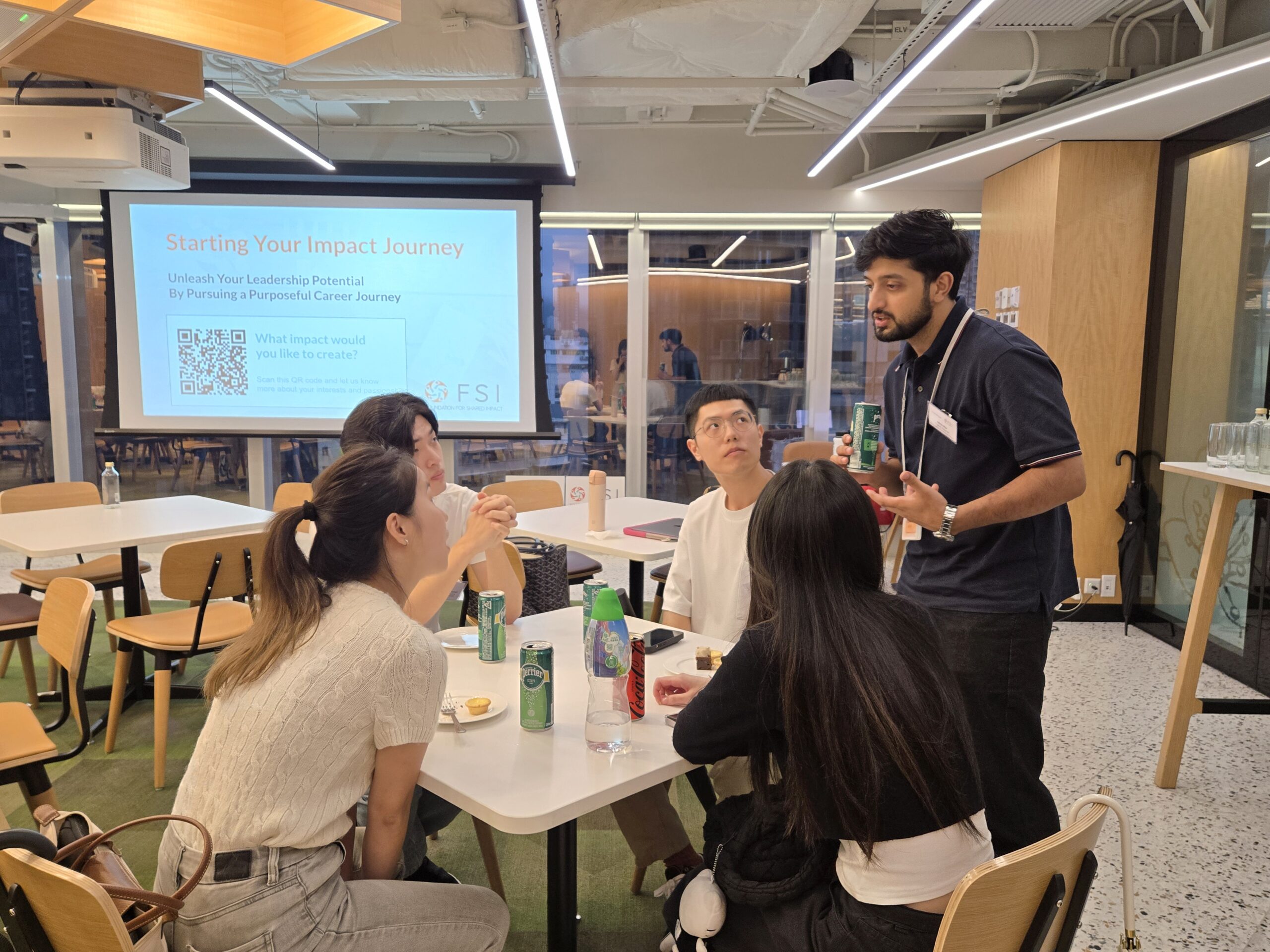
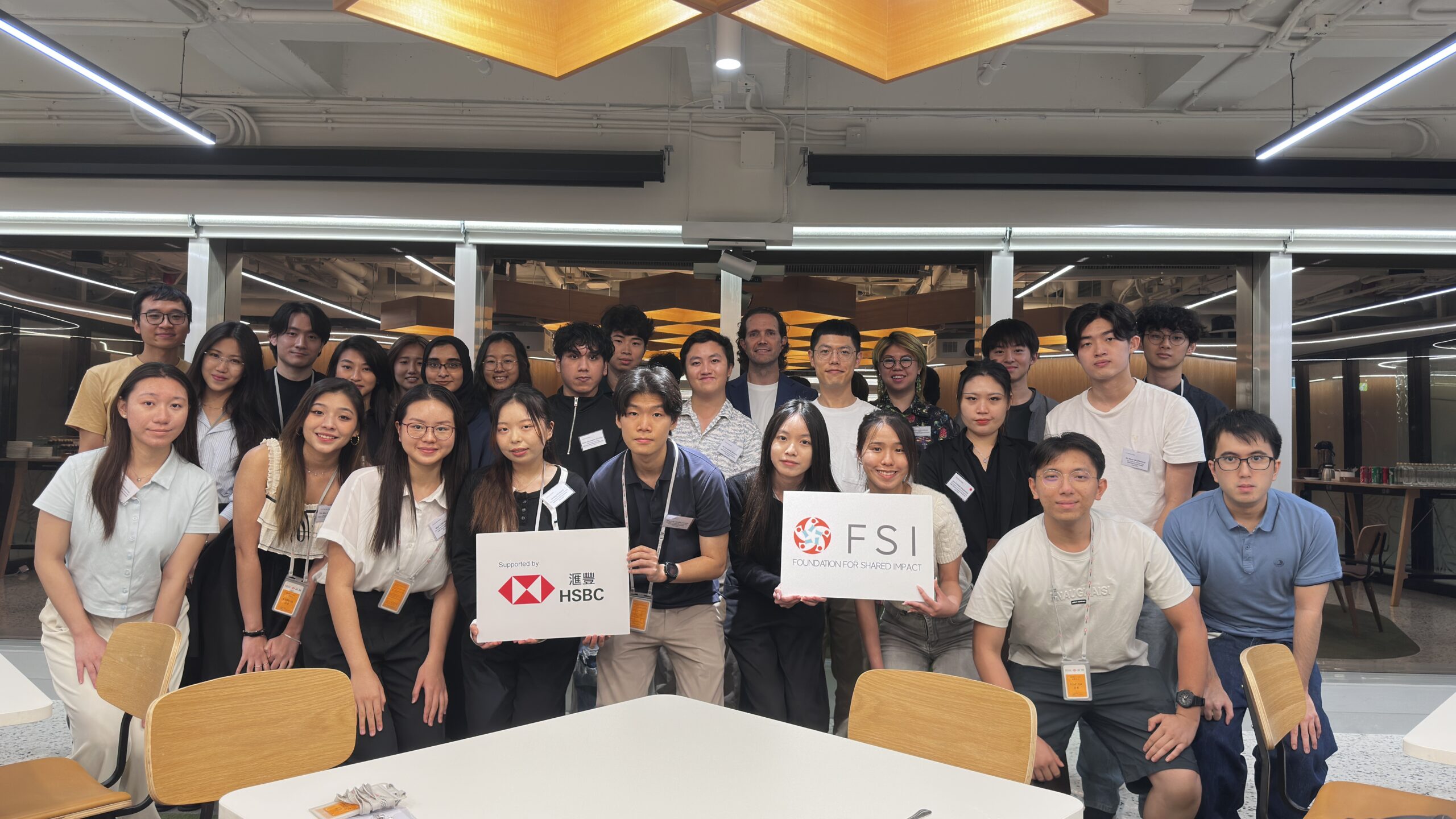
That was the question David Bishop, Co-founder and Director of Foundation for Shared Impact (FSI), asked participants at the Starting Your Impact Journey leadership training workshop on 14 August. Among the 24 HSBC Scholars and Hub for the Future community members and the five HSBC staff attending the workshop, some suggested the willingness to pivot while others said being present in life.
Meaningful Relationships Key to a Long and Happy Life
Citing findings from the Harvard Study of Adult Development, the longest-running scientific study ever conducted on adult life, David elaborated on the seven keystones of support that are conducive to a happier and longer life, including learning and growth, identity affirmation, and having shared experiences with others. “One of the factors identified by the Harvard study is connecting with the community and providing service to the community.”
This coincides with HSBC’s new initiative that encourages HSBC Scholars from this year onwards to complete no less than 16 hours of community service. Building deep and meaningful relationships with others, it turns out, comes with positive health impacts, as corroborated by Dr Robert Waldinger, Director of the Harvard Study of Adult Development.
But how and where does one start when it comes to carving their impact journeys? Here, David shared his personal story as a young lawyer who had the opportunity to represent under-resourced beneficiaries whilst a Summer Associate at a law firm in the US. He was also exposed to pro bono services and the expectation to sit on NGO boards during the early stage of his career. Knowing he could give back to society with his skills and knowledge, David would later do pro bono work in his Hong Kong office at a time when pro bono legal work was still largely a novel concept in the city.
During the 2008 financial crisis, David found an opportunity to become an educator at The University of Hong Kong, and thus began his journey as a serial social entrepreneur and impact-driven educator, revolutionizing education with the award-winning impact-based experiential learning model embedded in the Impact Lab Course and subsequently, other youth empowerment and leadership programs at FSI.
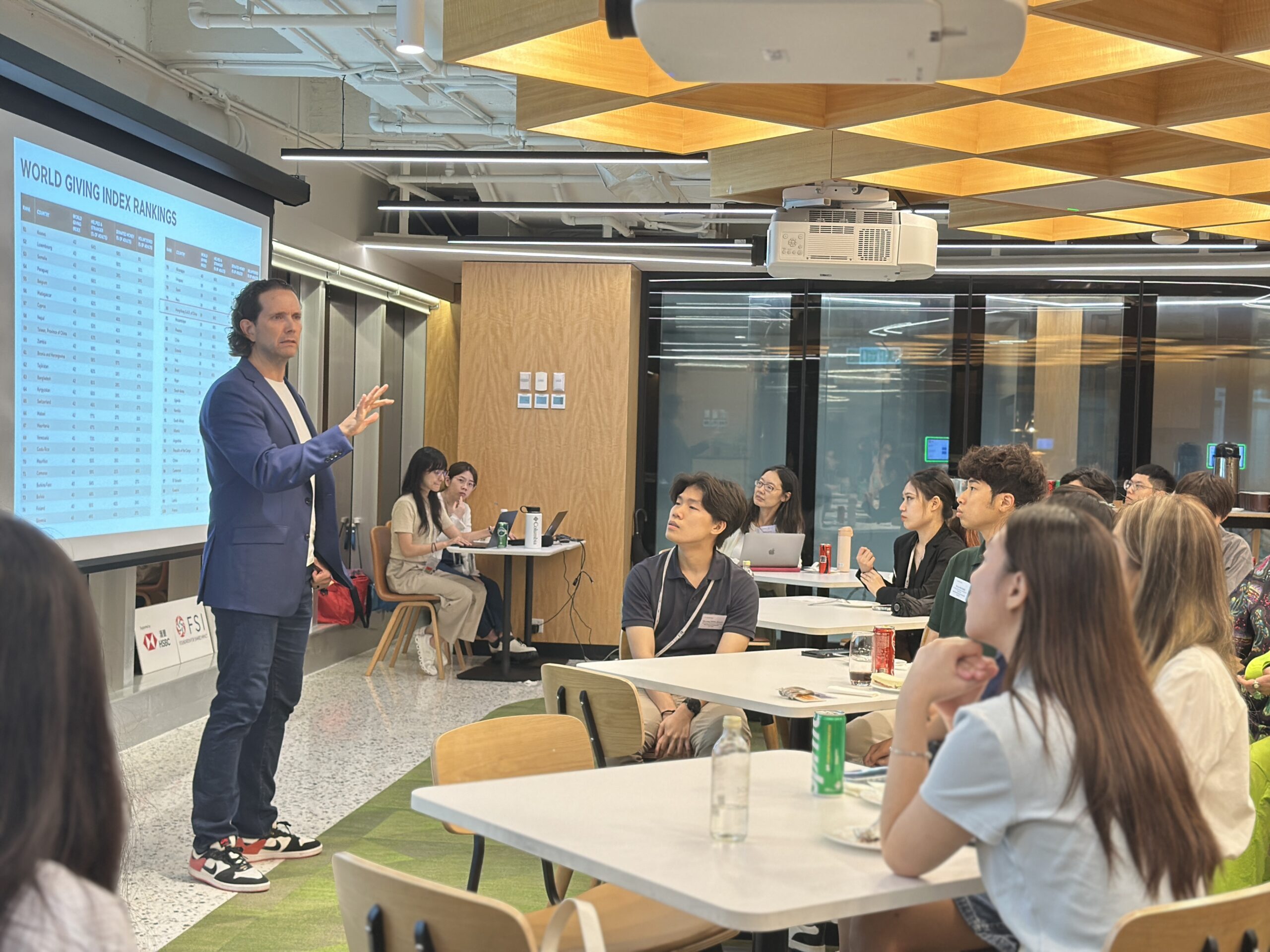
When good-quality internships were hard to come by at the time of the financial crisis, David decided to help his students start and manage impact businesses as a way to give them real-life work experiences while acquiring skills and knowledge in leadership and management, collaboration, intercultural communication, self-direction, and other 21st century skills.
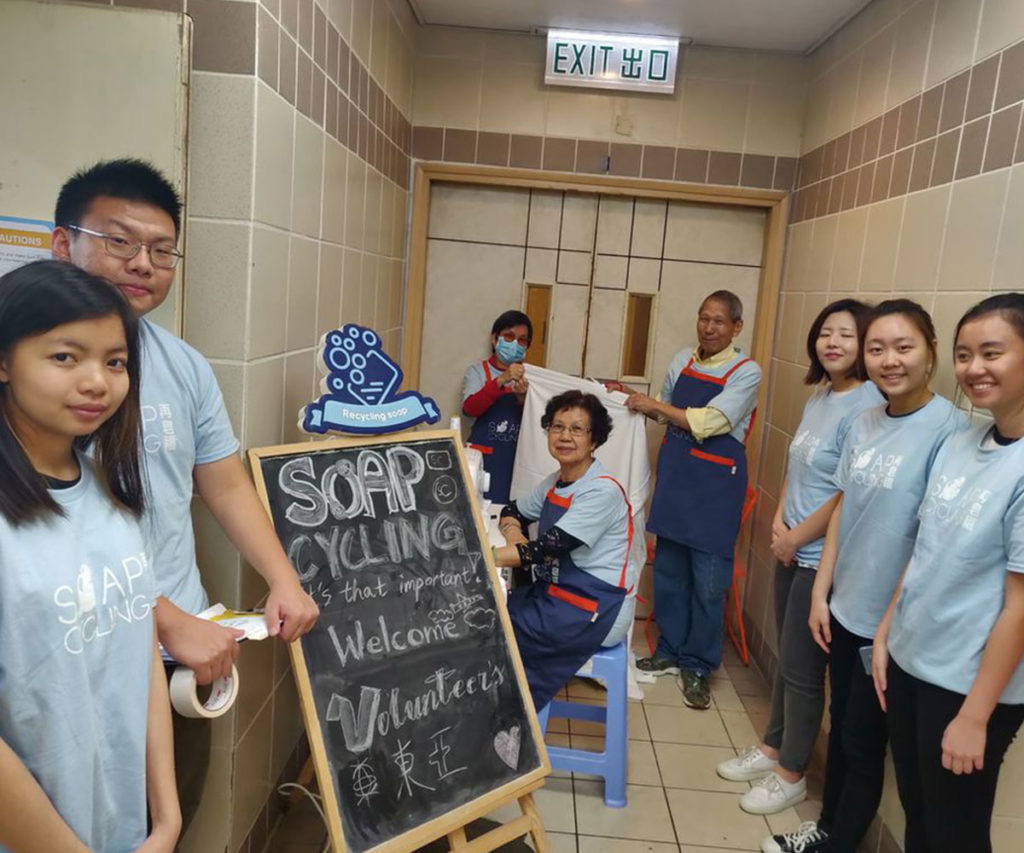
The first of such endeavors was Soap Cycling, Asia’s first and largest youth-led social impact organization that empowers youth while promoting waste reduction and resource circularity, equitable hygiene, and empowerment of disadvantaged groups through fair and meaningful employment. Together with other like-minded individuals, David went on to found and co-found many more social impact businesses, such as Fair Employment Agency, Migrasia, and FSI, which he continues to support.
Finding Your Strategic Side Gig
There is reason David and others like him do what they do. Having impactful engagements outside of the workplace not only benefits those who are served, but those who serve, too. Coined “the strategic side gig” by Ken Banta and Orlan Boston in an eponymous Harvard Business Review article, these external engagements enable individuals to connect with people outside of their industry or social circles, practise existing skills and knowledge and learn new ones, and gain new perspectives and experiences that they otherwise wouldn’t be exposed to.
This is added value one can bring back to their workplace to improve organizational productivity and advance their career. Particularly for those in leadership positions, having a strategic side gig often brings a broader range of knowledge and skills to navigate the increasingly complex systemic issues facing the world today. This is highlighted by the authors of The Strategic Side Gig article, who found that more than 100 out of the 122 senior executives surveyed said that they considered individuals’ external engagements when making decisions on succession planning.
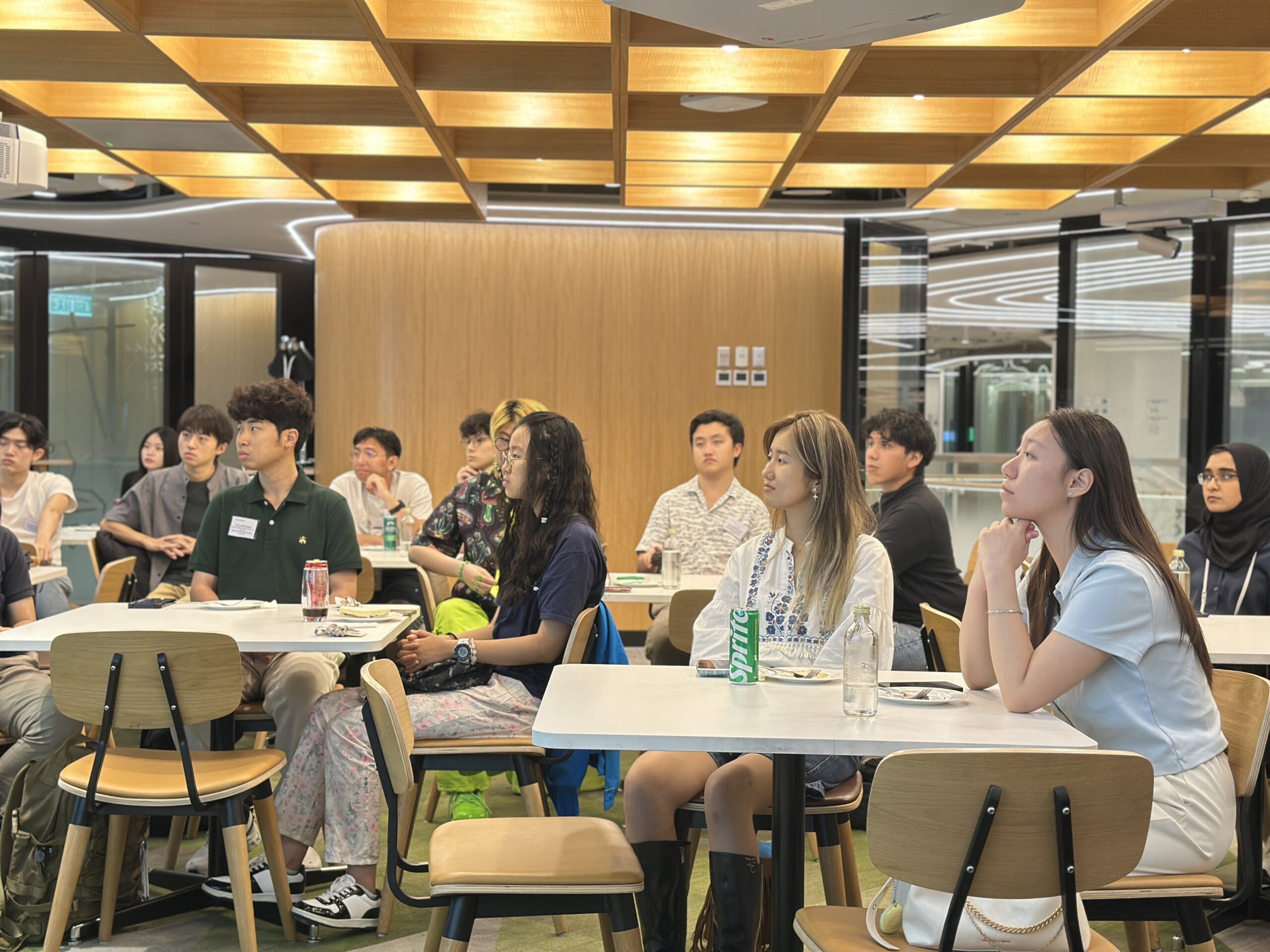

“For you to be successful in your career and life, you should save time to do some community work,” said David to the HSBC Scholars and staff. “Your career is not a linear progression, and doing community service can make your career pathway unique and meaningful. It’s like taking an MBA course. You will learn a lot from it, and the most effective way to retain and improve the skills you learn is to practise them. So be proactive in taking chances and risks to build things that bring a positive impact to society. For example, you can set a goal for yourself to become a board member of an NGO in the next two years.”
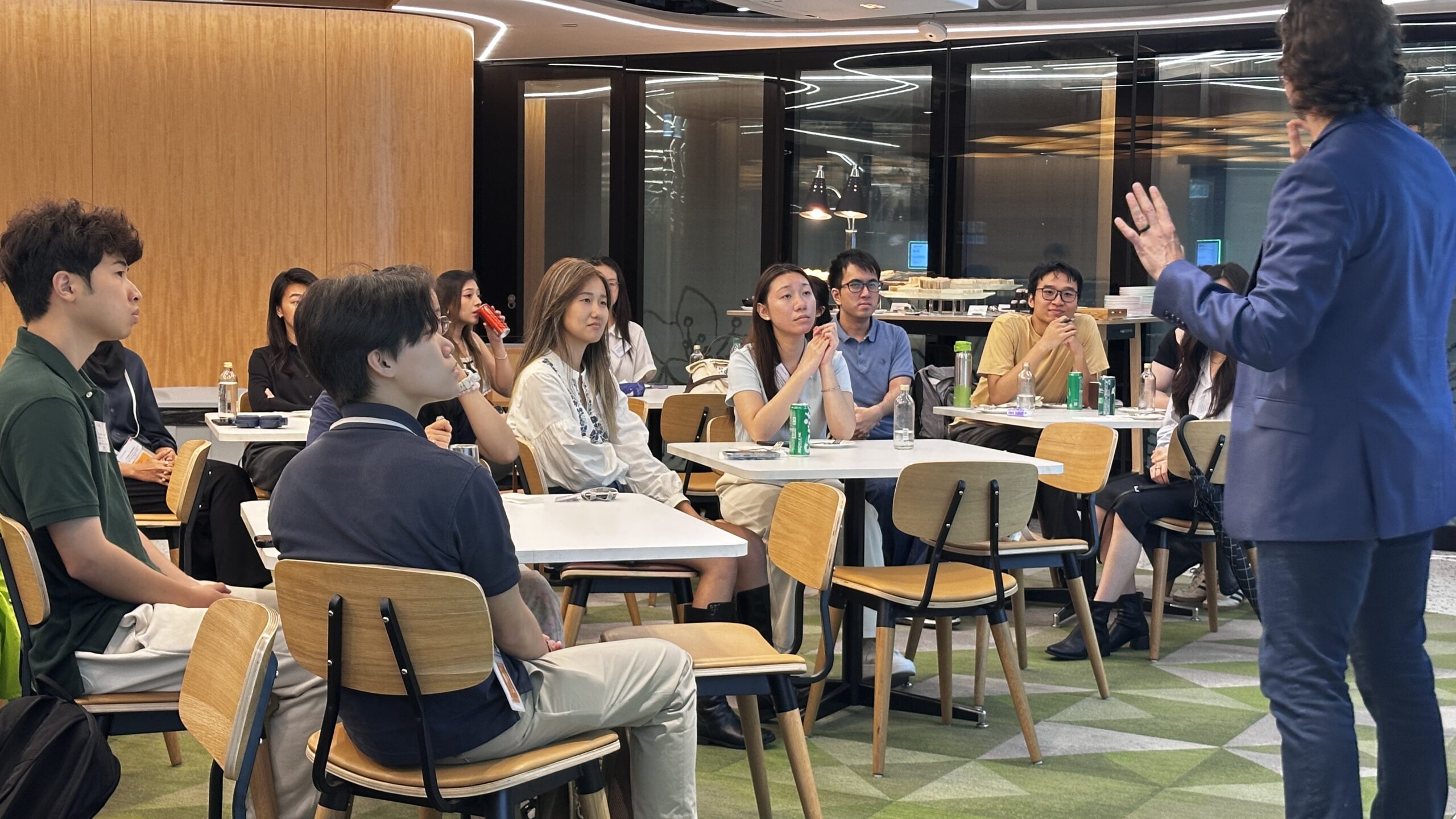
But goal-setting is only the beginning of an impact journey. Here, workshop participants learned about the three key intrinsic motivators to turn goals into actions – Mastery, Autonomy, Purpose – proposed by Dan Pink in his book, Drive. Participants were encouraged to think about the motivating factors in their life or career, and use that to carve out their strategic side gig and explore the opportunities that will lead them toward more such external engagements in the future.
Volunteer to Support the Social Impact Space and Personal Wellbeing
In the past few years, during and post-COVID-19, 68% of charities in Hong Kong reported an increased demand for services, 49% of charities reported a decrease in funding, and 32% experienced a decrease in operational funding. However, the percentage of Hong Kong adults volunteering for a good cause remained low at 19%.
Learning about the benefits of volunteering from The Role of Volunteering on Individual and Corporate report, such as empowerment, improved mental and physical wellbeing, enhanced self-esteem, reduced loneliness, career advancement, and leadership skill cultivation, HSBC Scholars and staff were incentivized to volunteer their skills and expertise for the Hong Kong social impact space.
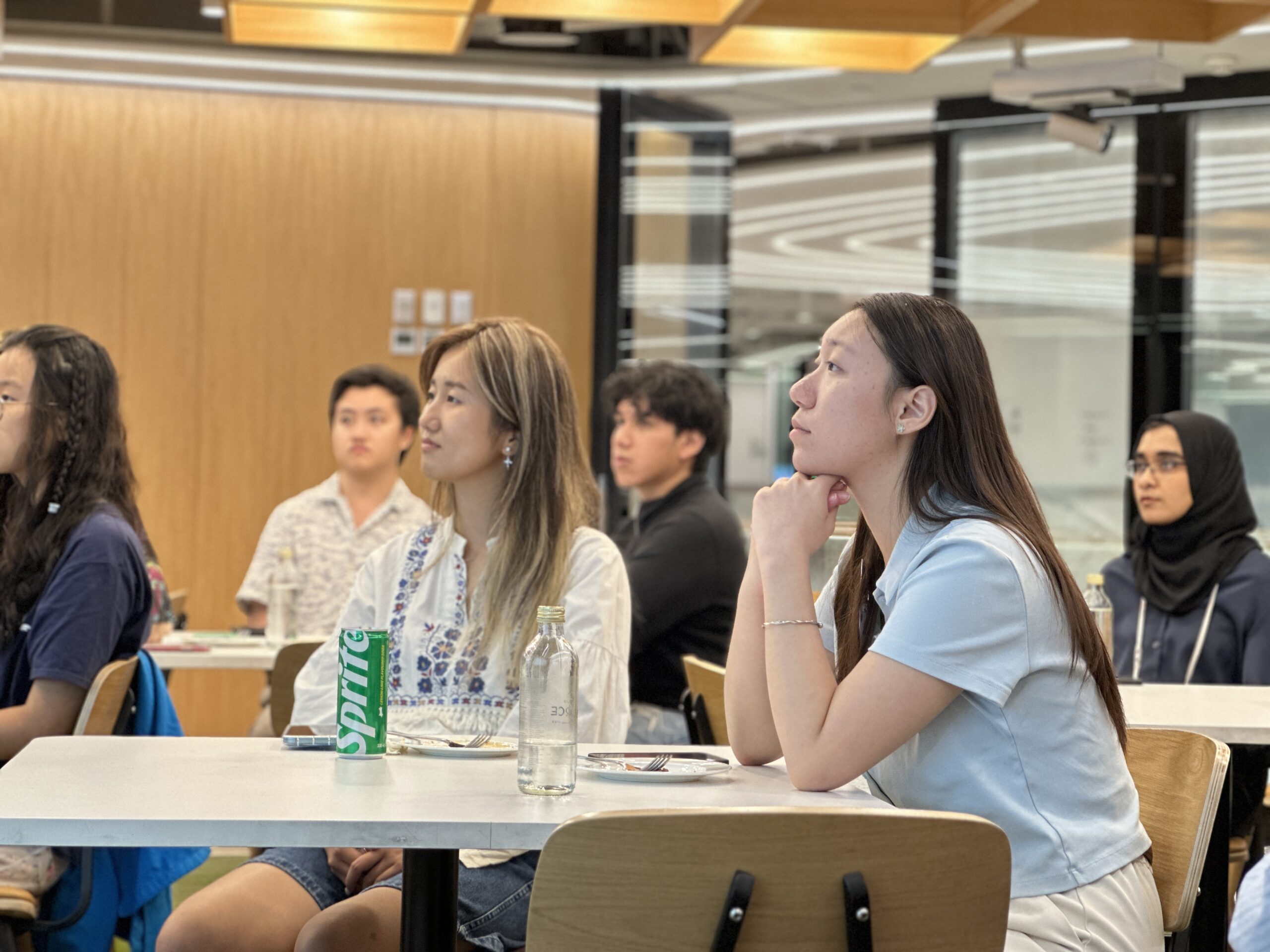
“There is a lot that you can offer to social impact organizations. You can offer professional support in subject matters like legal, finance, and human resources; channel your network to help an organization expand its market reach; use your experience to help an organization with strategic planning; and pass down your knowledge through mentoring. You can even challenge yourself by helping an organization with its fundraising efforts.”
The workshop was inspirational and beneficial to the attending HSBC Scholars. Said Ayeisha Shafana, a 2025 HSBC Hong Kong Scholar, “It was a great evening meeting everyone and expanding my network. The group of students were highly engaged with very inspiring goals in life. The best moment was from David’s sharing of a pro-bono case as a law student. The vivid emotions dealing with a panic attack and imposter syndrome resonated deeply. It was very inspiring to hear how his mentor guided him through it, and the impact this experience has had on his life and career. It’s not often we hear how those minuscule hours spent volunteering or helping others would actually create a difference or social impact. The calling to serve and give back to the community was something that I’ve actively practised, but it was eye-opening to know how much more we can contribute as Board of Directors or Advisors.”
The sentiment was shared by Yin Mei Hassan, who received the HSBC Vocational Education Scholarship this year: “I learned that being too focused on one path can limit career growth. Leaders should broaden their knowledge, skills, and network beyond daily tasks. The workshop also encouraged us to do volunteer work and get closer to our community in Hong Kong, which helps build connections and create a positive impact.”
To make it easy for HSBC Scholars to choose and apply for impactful volunteering opportunities, HSBC partnered with Time Auction to launch a volunteering portal at this year’s HSBC Scholars Day on 16 July, along with HSBC’s announcement that all new HSBC Scholars are now encouraged to commit to 16 hours of community service. Listed on the portal are volunteering opportunities curated by FSI and our community partners, like the soap recycling and soap art creation workshop we are bringing back with Soap Cycling.
Engage FSI to Create Bespoke Leadership Training Programs
Are you interested in our Starting Your Impact Journey workshop? Visit our website to explore the different leadership training programs we offer to youth, professionals, and corporates to achieve different career advancement and talent development goals. Get in touch with us at classes@shared-impact.com to find out how we can design effective leadership training programs for you!