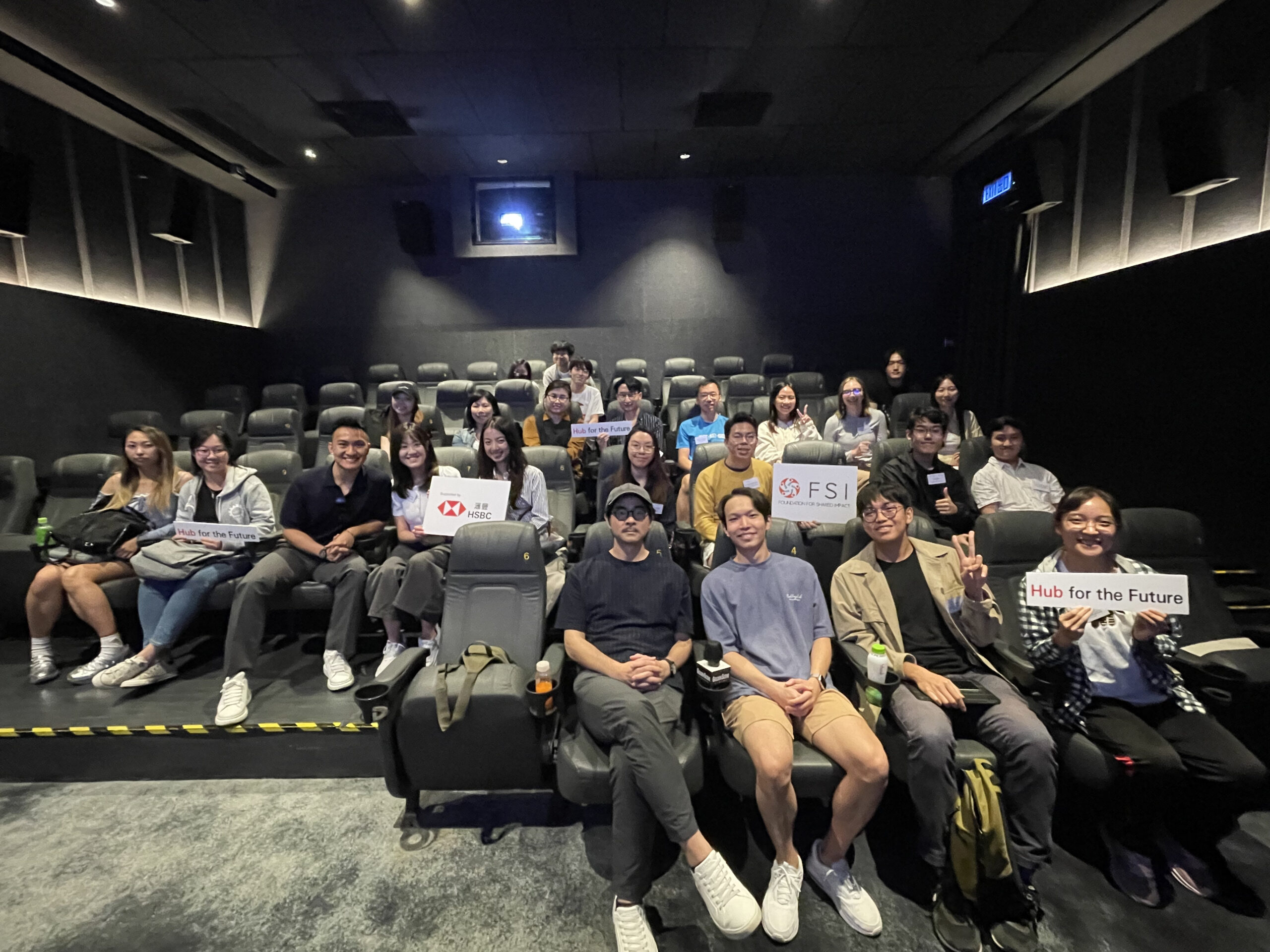
On 2 November, HSBC Scholars and members of the Hub for the Future community gathered for a memorable screening event of The Way We Talk, a Hong Kong drama film that homes in on the stories of three youth as they navigated their respective journeys as Deaf persons.
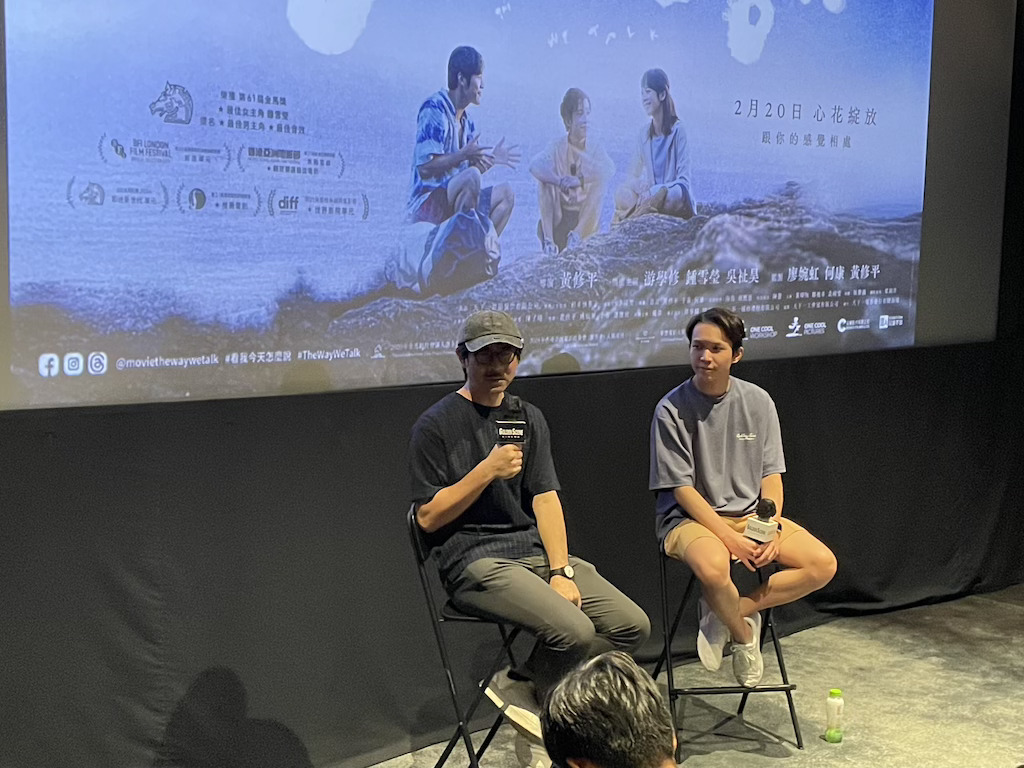
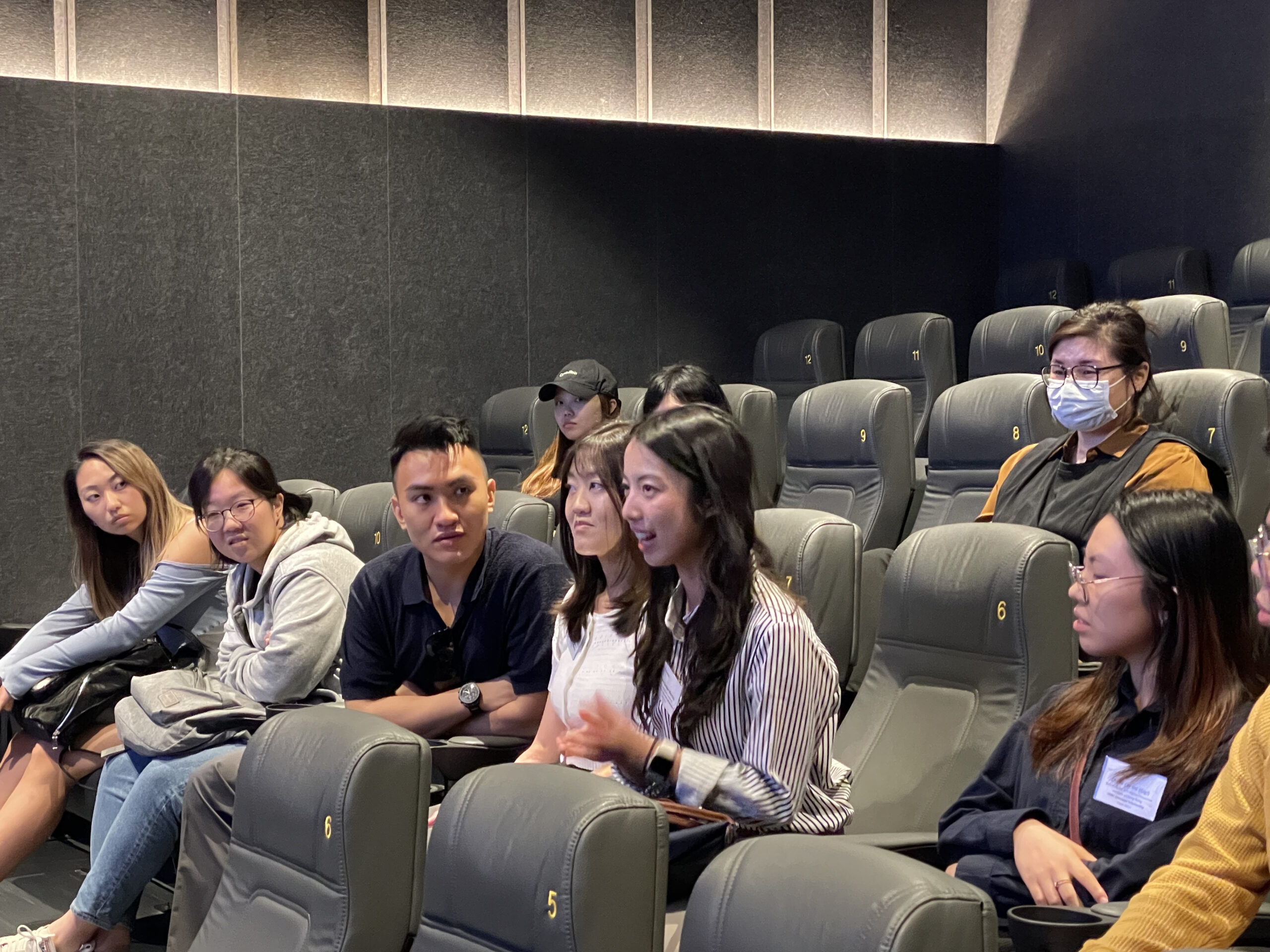
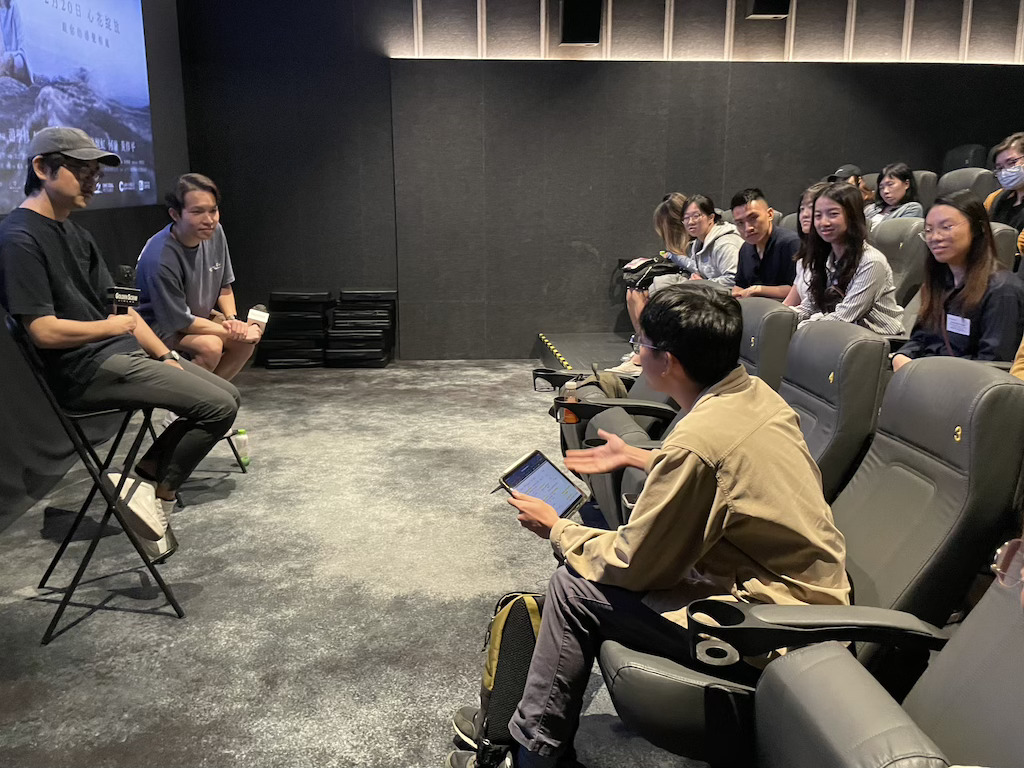
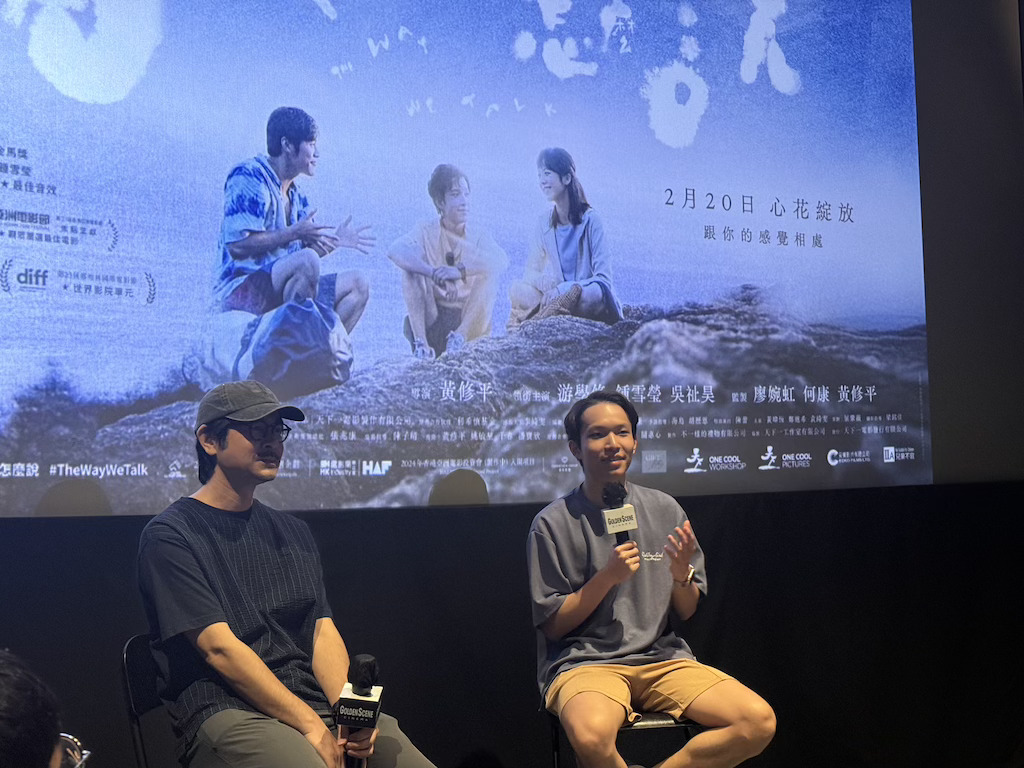
In addition to the movie screening, HUB members were also invited to engage in a 30-minute Q&A session with the director, Adam Wong Sau-ping, and one of the actors, Marco Tsz Ho Ng, allowing them to take a deep dive into the Deaf culture and its Hong Kong context, authentic storytelling, and the nuances of communication. For the HUB members, the event was more than just entertainment – it challenged perspectives and fostered empathy, leaving a lasting impression on everyone present.
“The Way We Talk”: A Widely Acclaimed Film on Identity Conflicts
Directed by Adam Wong, a Hong Kong filmmaker renowned for his coming-of-age dramas like The Way We Dance (2013) and She Remembers, He Forgets (2015), The Way We Talk stands out as a forward-thinking exploration of Deaf identity.
Set in Hong Kong, the film follows three young Deaf friends — Sophie, Wolf, and Alan — as they navigate the challenges of adulthood, relationships, and personal growth amid societal barriers. Sophie, who has a cochlear implant, strives for “normalcy” in a hearing world. However, through her relationships with Wolf (a passionate advocate for sign language) and Alan, a young designer, she begins to discover the profound value of sign language and her own Deaf identity. Along their journeys, the three Deaf youth’s experience of job discrimination, misunderstandings with hearing peers, and internal conflicts about assimilation culminated in moments of triumph and collective empowerment.
The Filmmaking Journey: From Concept to Reality
The creation of The Way We Talk represents a significant departure from typical filmmaking, rooted instead in genuine curiosity and deep respect for Deaf culture. It as based on this socially impactful context and our mission to transform the HUB into a force for good that we organized the movie screening session for HUB members to gain in-depth engagement with the director and Marco the actor.
When asked about his inspiration during the post-screening Q&A session, director Adam Wong revealed: “I have always been drawn to sign language and Deaf culture. Initially, the team even considered making a documentary, but we ultimately shifted to a narrative film.”
The project found its defining moment when Adam encountered a short script concept featuring a group of Deaf people signing underwater. This powerful image became the emotional and philosophical core of the film.
“That underwater signing scene stuck with me deeply,” Adam explained.”I’d previously wondered if the hearing world is at a disadvantage without sign language, but that scene showed me that sign language underwater can be an incredibly powerful form of communication. It was a reminder that Deafness isn’t a disability, but a valuable identity. That made me want to explore the culture further.” This realization marked a turning point for the project, leading to Adam’s extensive research and collaboration with Deaf consultants to ensure authentic representation.
Authentic Representation: Cast and Cultural Context
One way to ensure authentic representation of the Deaf culture and community was the casting of Marco, a Deaf actor fluent in sign language who made his acting debut as Alan.
Marco prepared intensively for the role through acting classes and brought his personal experience of the Deaf community to his performance. During the Q&A, Marco offered insight into Hong Kong’s Deaf population: “The official number is around 47,000 individuals, but I think the actual figure is higher. Much like Sophie in the movie, there are likely many Deaf people who aren’t fully counted.”
Adam addressed the ongoing cultural tensions depicted in the film: “I connected with some organizations in Hong Kong, and I noticed they aren’t particularly supportive of sign language. Instead, they encourage Deaf people to speak orally, believing that ‘being able to talk orally is the best form of communication’. That mindset is exactly where the tension in the film comes from, and yes, this dynamic still exists in Hong Kong today.”
Audience Reflections: Impact and Insights
The film’s screening prompted profound reflections from HSBC’s HUB for the Future members, who shared their diverse perspectives on the film’s significance.
“The movie was very good!” said Mars Ko. “I liked how it demonstrated some perspectives from marginalized groups and it left us room for reflection regarding inclusion policies.”
“I realized that although some technologies are believed to bring overall improvements to the world, not all stakeholders may share the same perspective as we do,” said Tsz Lok Cheung. “This taught me that I must thoroughly understand and gather feedback from users before developing innovative products. I was completely immersed in this movie. I appreciated how it highlighted and promoted sign language throughout, something that is often overlooked in today’s media.”
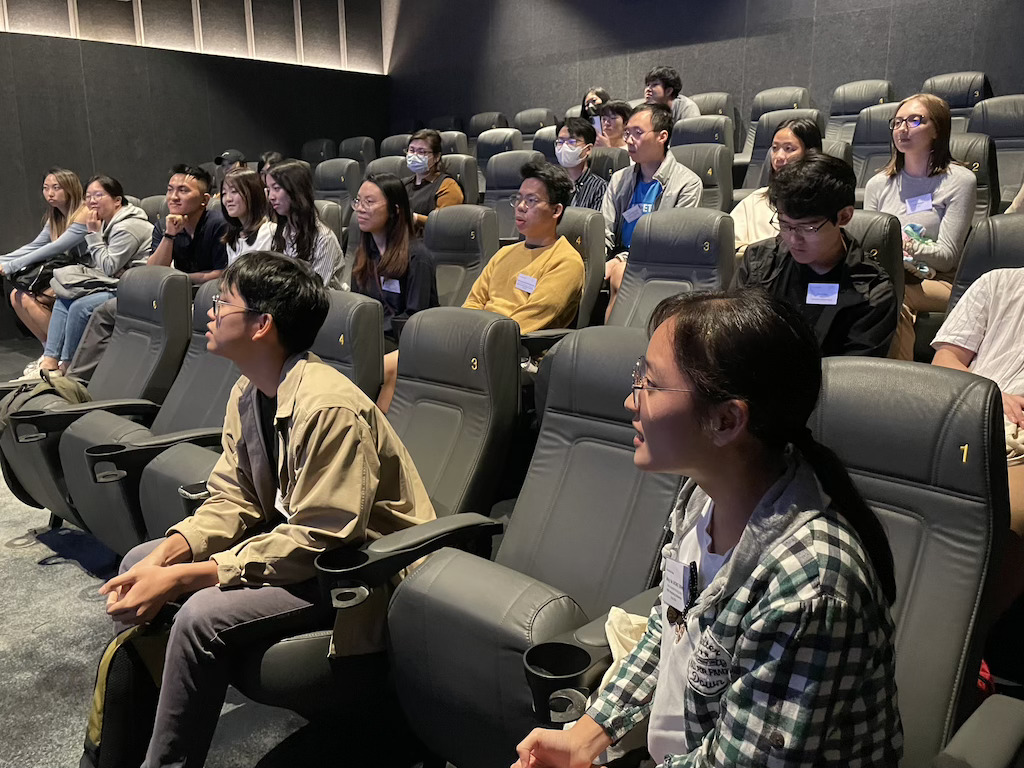
Meanwhile, Wing Tung Ng gained a new understanding of communication barriers: “The movie helped me see the world from a Deaf person’s point of view. I learned about their personal struggles and the difficult decisions they make in their daily lives. My biggest lesson from the movie is that real communication is more than just talking. The scene under the water proved this perfectly. When you can’t speak, you have to find a different way to be understood. This can be through gestures, expressions, or even just being together quietly. The movie reminded me that the goal is always to connect with the other person, and we should be creative and patient to find the best way to do that.”
Also moved to action was Ka Yi To: “It’s amazing to learn about Deaf culture. If there are any volunteer events for Deaf people, I am interested in that.”
Gladys Hoi Nam Charm was particularly touched by one scene: “I felt touched and inspired by the scene that reminds us about not forcing people with hearing difficulties to meet ‘normal’ social standards but to respect their choice of living.”
As the secretariat of the HSBC Scholarship Scheme and the coordinator for Hub for the Future – a community of past and current recipients of HSBC Scholarships – FSI works to transform the Hub community into a force for good. Since July 2024, we have provided the Hub community with opportunities for mentorship, leadership development, skills acquisition, and community service activities. Learn more about our youth empowerment work here.
*This blog post was written by Kevin Shao, Communications and Marketing intern at the Foundation for Shared Impact (FSI) during the Fall 2025 semester of the Impact Lab Course.*