/Business Support, Impact Stories, Mentorship Program, Perspectives/ April 2026 / 4 minutes of reading
The 2026 Spring cohort of Impact Lab students gathered on the 23rd of March for a second seminar focused on one of the most challenging yet overlooked aspects of entrepreneurship: failure and risk management.
Contrary to societal norms where success is emphasized and setbacks are hidden or even discouraged, the seminar started by encouraging students to rethink a mindset that’s commonly captured in the Chinese proverb:
“Hide the bad; glorify the good.”
Instead, students were encouraged to confront failure openly, to understand it, learn from it, and ultimately use it as a tool for growth.
Understanding Why Startups Fail
The session began with an interactive Mentimeter exercise, asking participants a simple yet important question: Why do most startups fail?
Many responses pointed to familiar challenges such as flawed business models or running out of capital. While these answers reflected common perceptions and real-life cases, the discussion was deepened by comparing them with other insights.
Five key reasons emerged:
Running out of cash or failing to raise capital still remains one of the leading causes of failure, with many entrepreneurs struggling to secure funding or communicate their value to investors.
Closely related is the issue of no market need, which accounts for a significant proportion of startup failures. Even well-developed ideas can fail if they do not address real demands.
Startups also often face the risk of being outcompeted, particularly in crowded markets where differentiation is limited and competitive advantages are difficult to sustain.
A flawed business model – such as relying on a single revenue stream or failing to scale effectively – can further undermine its long-term viability. Finally, regulatory and legal challenges, including unexpected policy changes or broader geopolitical factors such as trade tensions, can create external pressures that are difficult for early-stage ventures to navigate.
The Hong Kong Context
The conversation then shifted to the realities of building a startup in Hong Kong.
Participants identified several structural challenges, including the high operating costs, limited access to funding, and legal and administrative complexities that can slow down or even restrict growth. At the same time, many entrepreneurs are often conditioned to think in small, incremental ways rather than developing broader solutions that can grow sustainably over time.
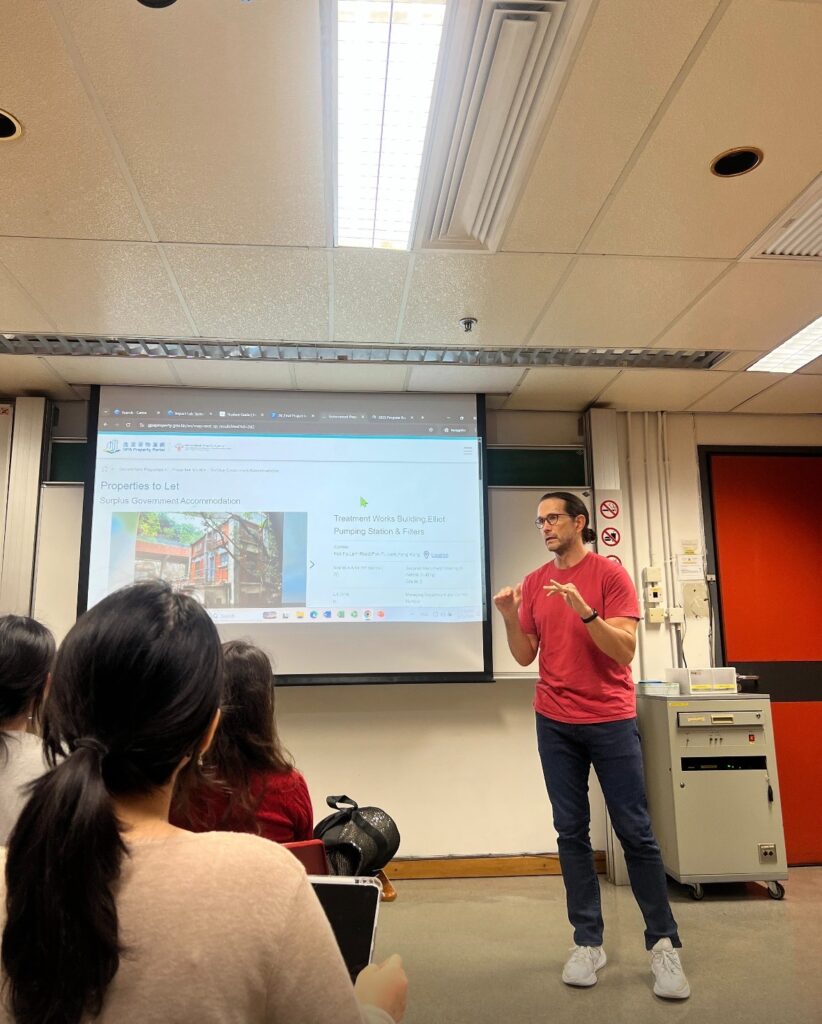
Recognizing these constraints is a critical step in understanding risk and also in designing businesses that can adapt to them. Under the instructions of David Bishop, Impact Lab Instructor and Co-founder of Foundation for Shared Impact (FSI) as well as multiple social impact businesses, students were told to think outside the box.
Learning Through Case Studies
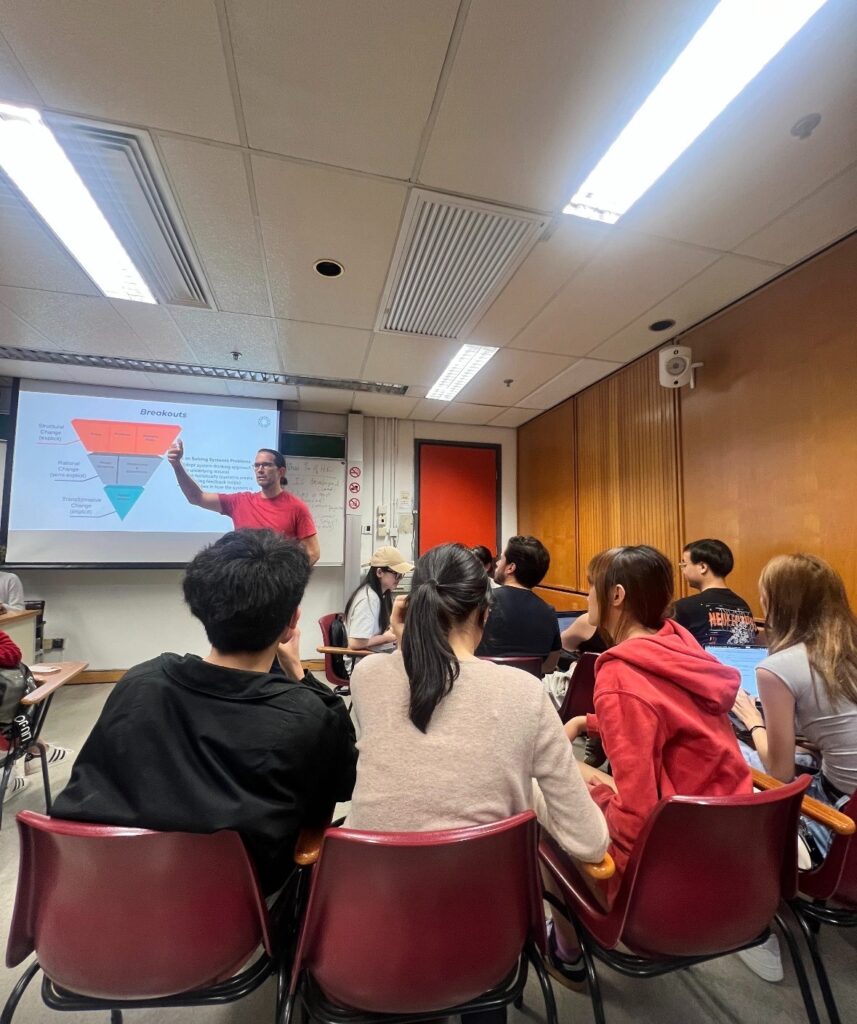
To bring these ideas into practice, David introduced a series of case studies, allowing students to analyze real and hypothetical ventures and identify why they failed.
One case explored a sustainability initiative centred around a revolving green loan fund, designed to support long-term environmental projects. Despite its compelling vision, the initiative faced challenges, including insufficient fundraising, bureaucratic barriers, and limited institutional support. The discussion highlighted how even impactful ideas can struggle without the right financial and structural foundations.
Another case focused on a venture that failed due to ease of replication and governance challenges. Without a clear competitive advantage, the business was quickly outcompeted. This example showed the importance of building not only innovative solutions but also defensible and well-managed organizations, said David
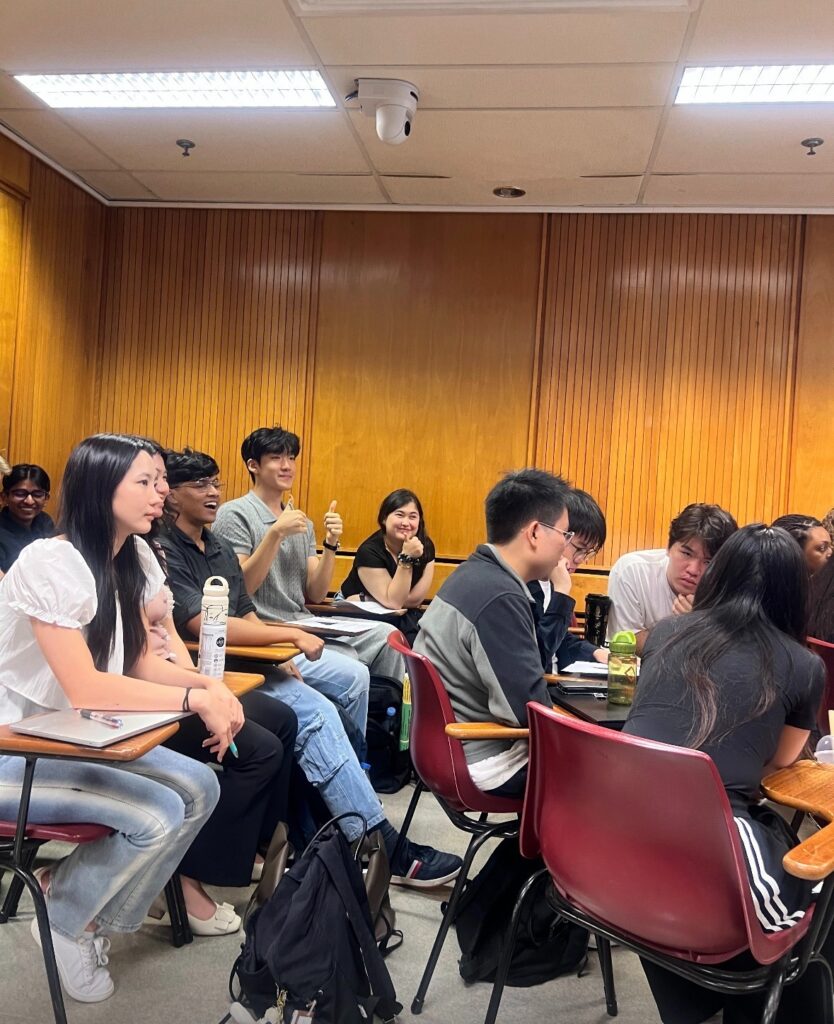
Through these discussions, students were encouraged to form groups and think critically. Students had a few minutes to get into their groups and think – not just about what went wrong but also about what could have been done differently.
Failing Forward: Managing Feedback and Growth
Beyond analyzing failure, the session focused on how entrepreneurs can respond to challenges in a constructive way. One of the main points was managing negative feedback, which is an inevitable part of the entrepreneurial journey. Rather than reacting defensively, students were introduced to a practical approach:
Staying calm and listening actively, seeking clarification when needed, and taking time to reflect before responding. By focusing on understanding rather than reacting, feedback becomes a valuable source of insight rather than a barrier.
Participants were encouraged to view feedback not as criticism but as an opportunity to strengthen their strategies and improve their decision-making.
A central takeaway from the session was that failure is not something to avoid, but something to understand. By examining why startups fail, whether it is due to market misalignment, financial challenges, or external reasons, entrepreneurs can better anticipate risks and make more informed decisions.
More importantly, failure can build the resilience needed to navigate uncertainty.
In entrepreneurship, success is usually non-linear but built through experimentation, setbacks, and continuous learning.
By creating a space where failure can be discussed openly and constructively, the Impact Lab seminar empowers students who might want to enter the entrepreneurial world to move forward with greater confidence, not despite challenges, but because of what they learn from them.
Stay Tuned
Through our Impact Lab Course, we support students to develop themselves and enhance essential human skills through experiential learning internships with impact startups as well as informative seminars. Stay tuned for updates on the upcoming seminar on systems change.
This blog post was drafted by Sofia Becerra Liang, Communications and Marketing intern at the Foundation for Shared Impact (FSI) during the Spring 2026 semester of the Impact Lab Course.