When Kaylini Naidoo joined FSI’s 2025-26 Mentorship Program for Ethnically Diverse Entrepreneurs in September 2025, she had an idea to transform some of Hong Kong’s daily 3,300 tonnes of food waste into resources. For a long time, it remained just that: a business idea. She thought her business had to be “perfect”. Being relatively new to Hong Kong then, Kaylini felt lonely in navigating her journey as an aspiring entrepreneur.
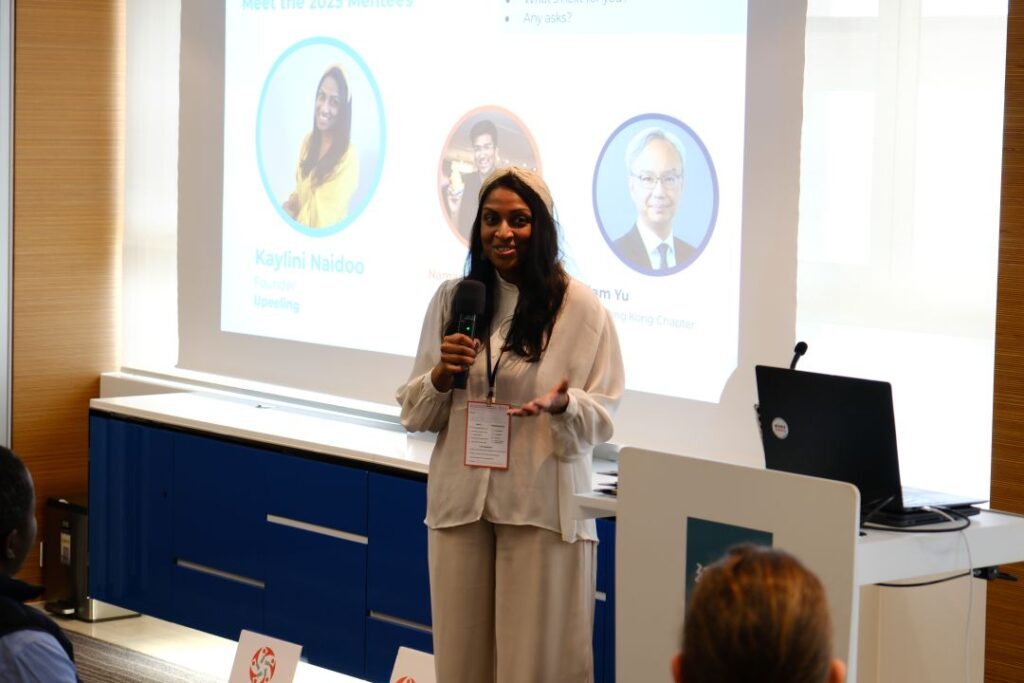
With the committed support and generous knowledge exchange of her mentor, Naman Tekriwal, Co-founder of Breer and long-time mentor since the inauguration of FSI’s Mentorship Program, and ICF Hong Kong Chapter coach, Sam Yu, Kaylini transformed from someone with an idea with a partial prototype to a founder with a structured plan by the end of the six-month journey.
Read our interview with Kaylini, Naman, and Sam to find out more about why they joined FSI’s Mentorship Program as a mentee, mentor, and coach, respectively, as they celebrate the incredible growth of Kaylini as an early-stage entrepreneur as well as the resourceful FSI program and community in empowering under-resourced, ethnically diverse entrepreneurs in Hong Kong.
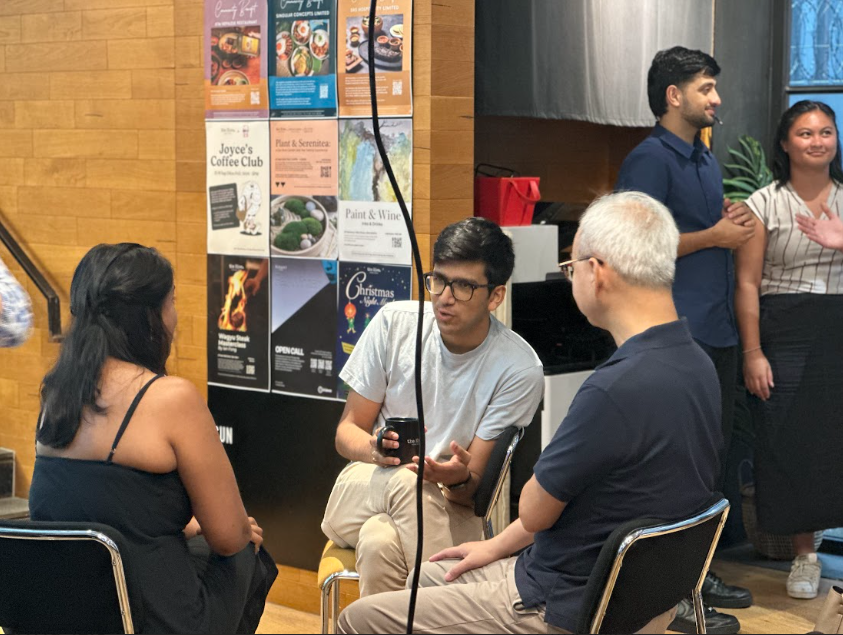
How and why did you become an impact entrepreneur, Kaylini?
Kaylini: I don’t feel like I set out to be an impact entrepreneur.
I’m originally from South Africa, a country where food waste is considered a sin. When we moved to Asia, and now specifically Hong Kong, I observed imperfect and surplus fruit and veg at my local supermarket getting binned on a daily basis, knowing that this was being sent to landfill because it didn’t meet donation standards.
I then started looking into the food waste statistics of Hong Kong, and the statistics were shocking. Living in a city that imports almost everything we eat because there’s not enough land to farm our own, it just didn’t reconcile. To me, this was a problem I feel could be solved. I also felt that if I was going to pour all my energy into building something from scratch, it had to matter.
Tell us about your business – its name, its vision and mission, and why it is needed in Hong Kong?
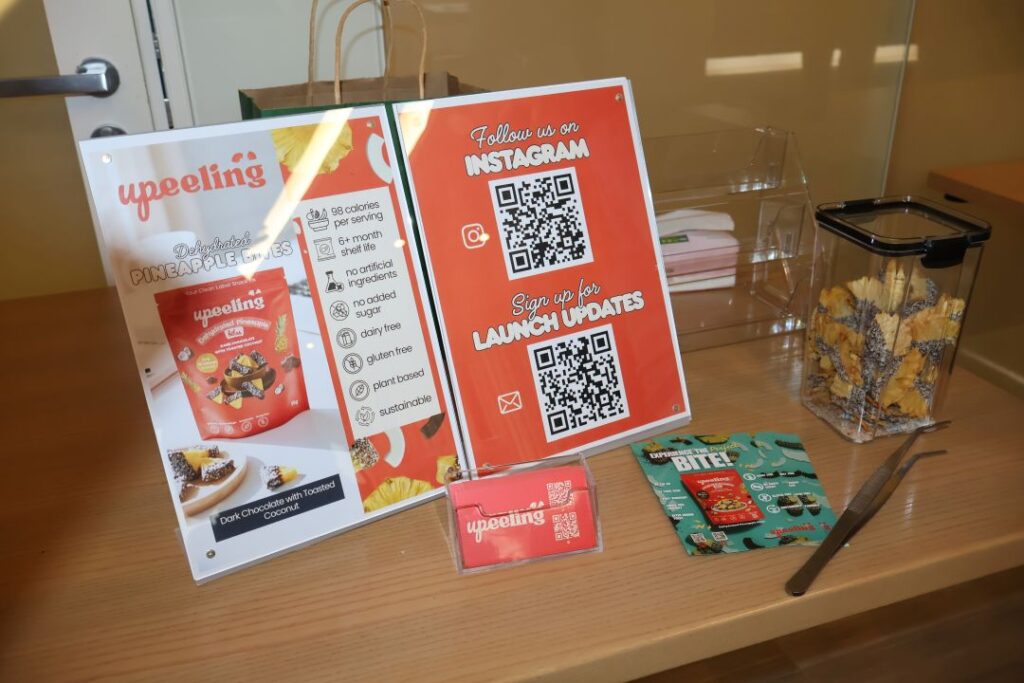
Kaylini: The business is called Upeeling – a combination of the words “upcycle”, “peel”, and “appealing”.
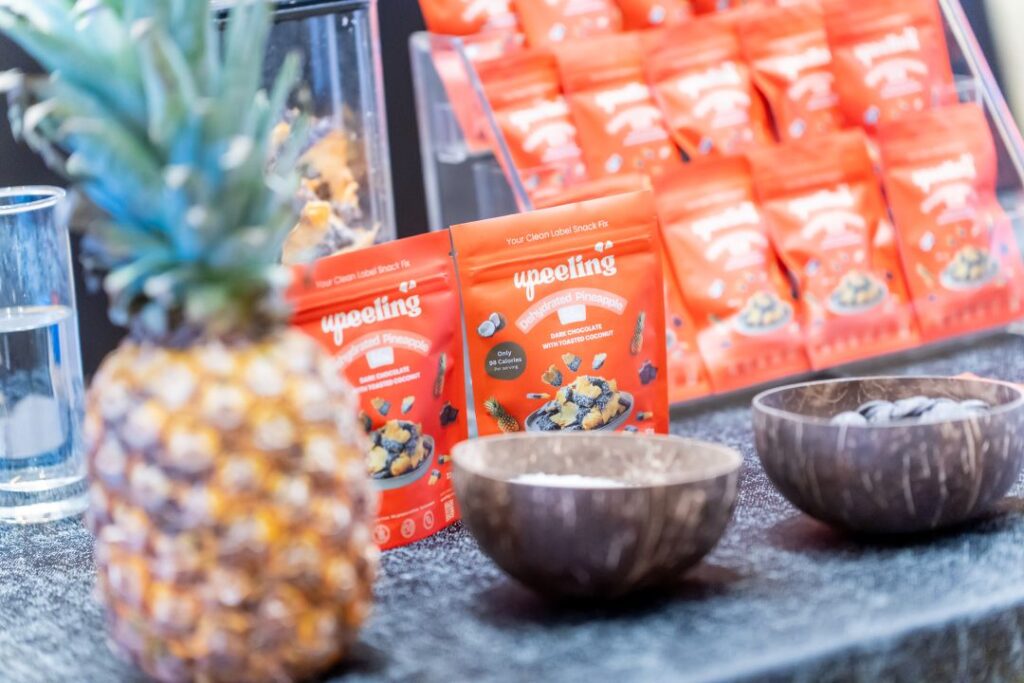
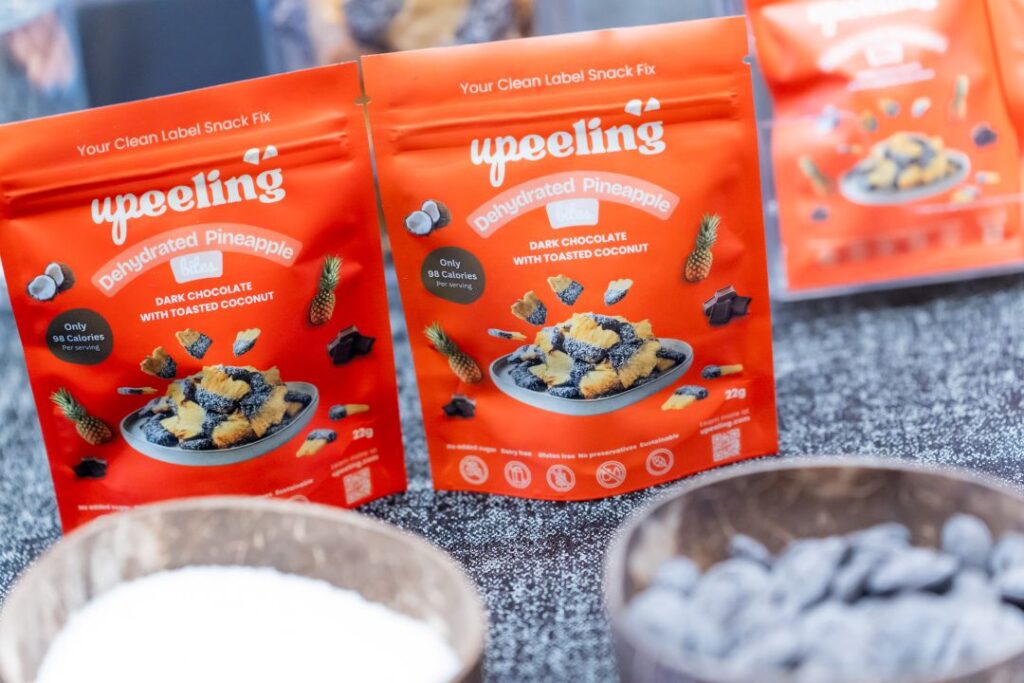
We turn imperfect and surplus produce (currently pineapples) into clean-label snacks, locally crafted in Hong Kong. Our first product is dehydrated pineapple partially coated in premium dark chocolate and topped with toasted coconut. Our flavor pipeline aims to celebrate authentic
Asian tastes like: Sichuan Spice, Sesame, and Matcha.
Our mission is to divert surplus food waste from landfills by transforming it from a perishable to an upcycled product that is good for you and the planet.
Our vision is to eliminate surplus produce food waste in Hong Kong and beyond, and be a brand rooted in Hong Kong that proves Asian flavor innovation and food waste diversion can live in one product that tastes incredible.
Upcycling is needed here because this city has a massive food waste problem, and the snacking culture is dominated by imported, over-processed options. Hong Kong imports over 95% of our food, yet we discard around 3,300 tonnes of food waste daily. Upeeling offers something that feels local, tastes indulgent, and carries a sustainability story people can feel good about without being preached at. Sustainability is a bonus; the deliciousness comes first.
Why did you join FSI’s Mentorship Program for Ethnically Diverse Entrepreneurs?
Kaylini: I joined FSI’s Mentorship Program because I lacked an entrepreneurial background.
My background is in audiology and healthcare. Although I had the idea and concept for Upeeling, I felt scattered with tasks and direction, and I didn’t know what or how to prioritize. Also, being relatively new to Hong Kong, I felt completely alone navigating this journey. I needed structure and clarity. I wanted to connect to someone who had done this before to look at my scattered thoughts and say, “Here’s what matters first. Here’s what can wait.”
Being new to Hong Kong and from an ethnically diverse background, I also craved a community with people who were also building their businesses. FSI offered that from day one.
Sam – Why did you join FSI’s Mentorship Program for Ethnically Diverse Entrepreneurs as an ICF Hong Kong Chapter coach?
Sam: First of all, a big thank you to the ICF HK Chapter for lining up us coaches and the Foundation for Shared Impact.
I have joined many NGO coaching programs in the past 10 years. This FSI Mentorship Program is the most structured one that supports ethnically diverse, under-resourced entrepreneurs. I appreciate that those entrepreneurs started their businesses not just for money but also to bring a positive ESG impact to society. Therefore, I joined without hesitation.
What was your first impression of Kaylini as your coachee?
Sam: In our first coaching session, I found Kaylini to be an energetic person who was passionate about the business she was going to start. Most importantly, Kaylini appeared to be taking this coaching opportunity seriously. For example, she thought through a couple of questions I sent her prior to the session. From her sharing, I believed that was the outcome of deep reflection.
How has serving as a coach to an early-stage entrepreneur helped you grow as a person and a coach?
Sam: Every coachee’s story is unique! Coaching an early-stage entrepreneur provides me with lots of “nutrition”. For example, I get to know many great ideas, the ways of thinking, how such an entrepreneur sees things, etc. These broaden my perspective and help me become a more inclusive coach.
FSI’s tripartite coach-mentee-mentor approach perfectly covers the hard and soft issues a mentee could face.
Hard issues are the business-related, technical ones. A mentor who has solid expertise in similar business areas could provide the mentee with practical advice and shorten the mentee’s learning curve. The mentee may also come across intangible, psychological challenges, such as blind spots, lack of confidence, self-limitation, etc. I call these soft issues. A coach could support the mentee to build self-awareness and figure out the solution to break through.
Naman – What was your first impression of Kaylini as your mentee?
Naman: My first impression of Kaylini was that she had a lot of fire in her. She came prepared, took notes throughout our sessions, and had a very clear sense of conviction about what she was building with Upeeling.
What struck me most was her personality. She is eccentric in the best way possible, and that came through right from the start. She had her own way of seeing the world and her own way of doing things. I knew pretty early on that she was not going to be the kind of mentee who simply nods along and follows instructions to the letter, and honestly, that made me even more excited to work with her.
There was also something really refreshing about how she approached every challenge head-on rather than shying away from it. That combination of ambition, curiosity, and a willingness to take on hard things told me a lot about who she was going to be as an entrepreneur.
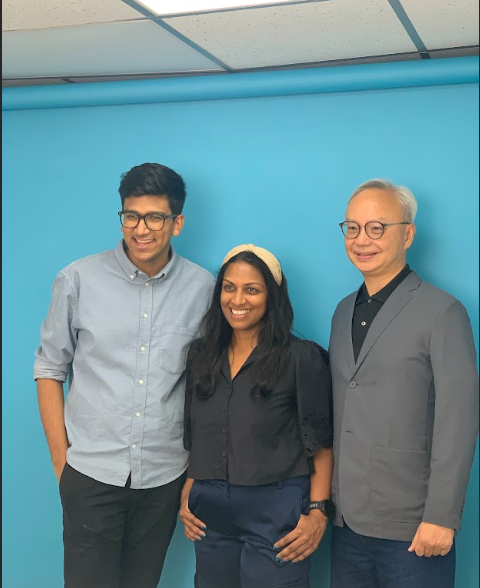
Kaylini – What are the things that you did not imagine you could do but have now become possible due to your experience of the Mentorship Program?
Kaylini: Two things stand out. First, I didn’t imagine I would be able to articulate and plan my business model with such clarity to people who aren’t in my head. My mentor, Naman [Tekriwal], pushed me to simplify and get the messaging right when talking about Upeeling, so that someone can nod and say, “I get it” within 30 seconds. That felt impossible before, and now I’ve pitched confidently to startup program panels and commercial partners.
Second, I didn’t imagine I would have the courage to treat the business as a real, serious venture rather than a side project. The FSI program created accountability structures that forced me to stop treating Upeeling like a “one-day dream” and start acting like a founder with a timeline, production plan, and unit economics.
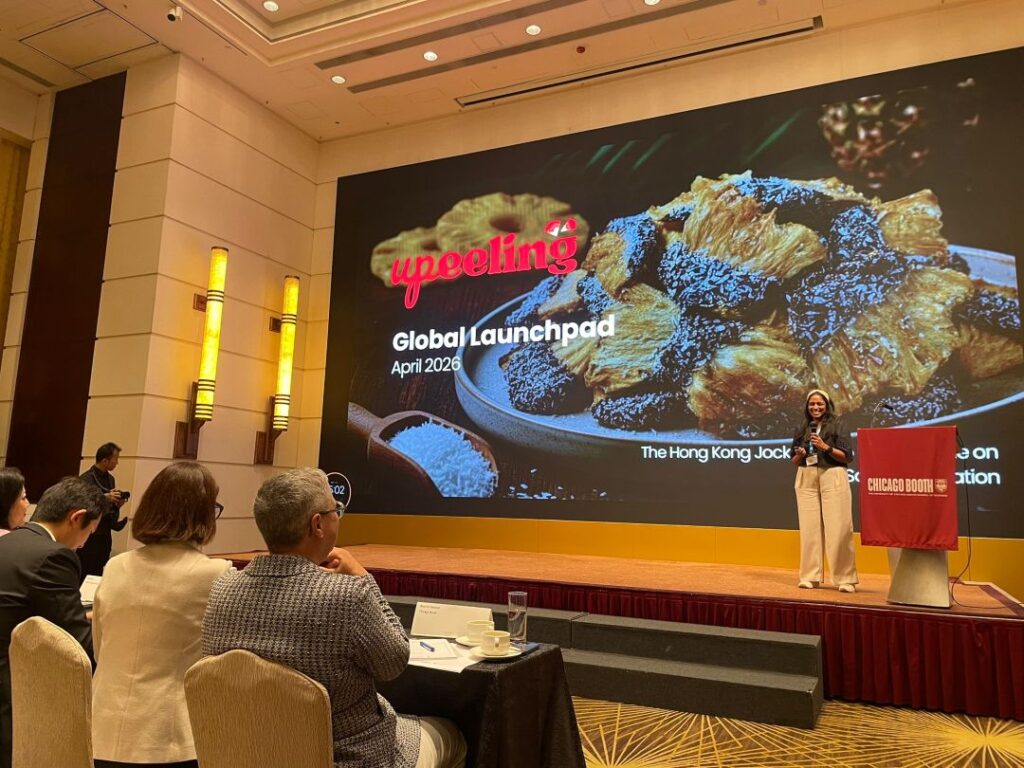
Within weeks of completing FSI’s Mentorship Program, I went on to complete the Hong Kong Jockey Club Social Innovation Global Launchpad, and now I’m entering the HKSTP Ideation Programme in May. That momentum started with the FSI Mentorship Program.
Naman – What knowledge and expertise did you share with Kaylini as a fellow entrepreneur focusing on repurposing food waste?
Naman: Having co-founded Breer, I was able to share a very direct and lived experience with Kaylini rather than just textbook advice.
We talked through the real challenges of building in the sustainability space, from finding the right go-to-market approach, to working with food waste supply chains, to figuring out how to communicate value in a way that actually lands with consumers and potential partners. I shared both the strategic thinking I would have applied and the mistakes I personally made along the way, because I think the mistakes are often more useful than the wins.
What made our dynamics particularly interesting was that Kaylini would sometimes take my guidance, go in her own direction based on what she believed in, and then come back having discovered through firsthand experience what I had tried to point her toward. It was one of those moments where I could have said, “I told you so!” but instead it was just great to see her learn it in her own way, because that kind of learning sticks.
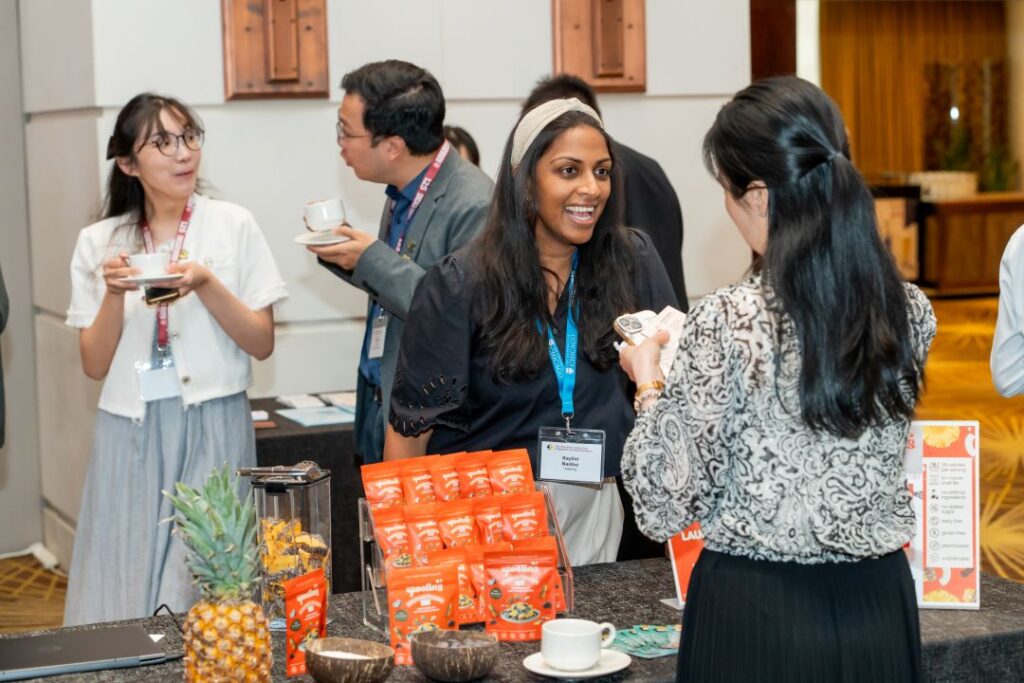
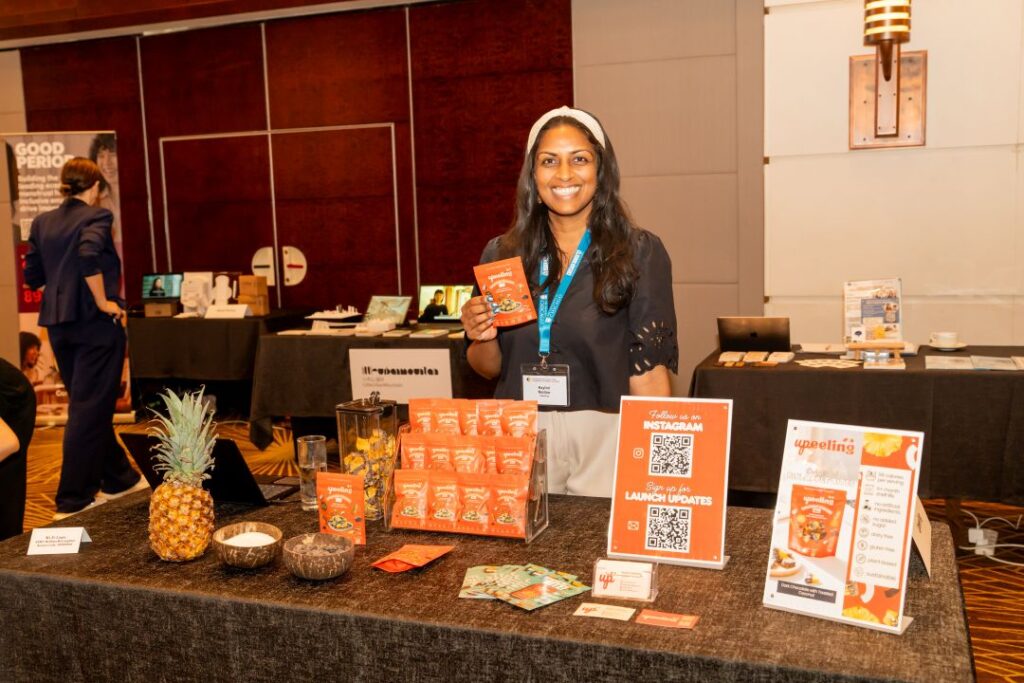
Kaylini – What were the milestones you were able to achieve, as a person and an entrepreneur, as a result of the support of your mentor and coach?
Kaylini: As an entrepreneur, I moved from “idea with a partial prototype” to founder with a structured plan. With the help of Naman, a mentor who has literally walked this path, he helped me hone in on the details and taught me to prioritize.
Through this, I created my core recipe, did market research with 200+ samples and feedback, finalized packaging design, ordered our first minimum order quantity (MOQ), secured our first shared commercial kitchen space with a food factory licence, sent our prototype for nutritional analysis, and built a milestone-based roadmap.
Even more tangibly, I completed the HKJC Social Innovation Global Launchpad program and secured a place in the HKSTP Ideation Programme, both of which felt like distant goals when I first joined FSI.
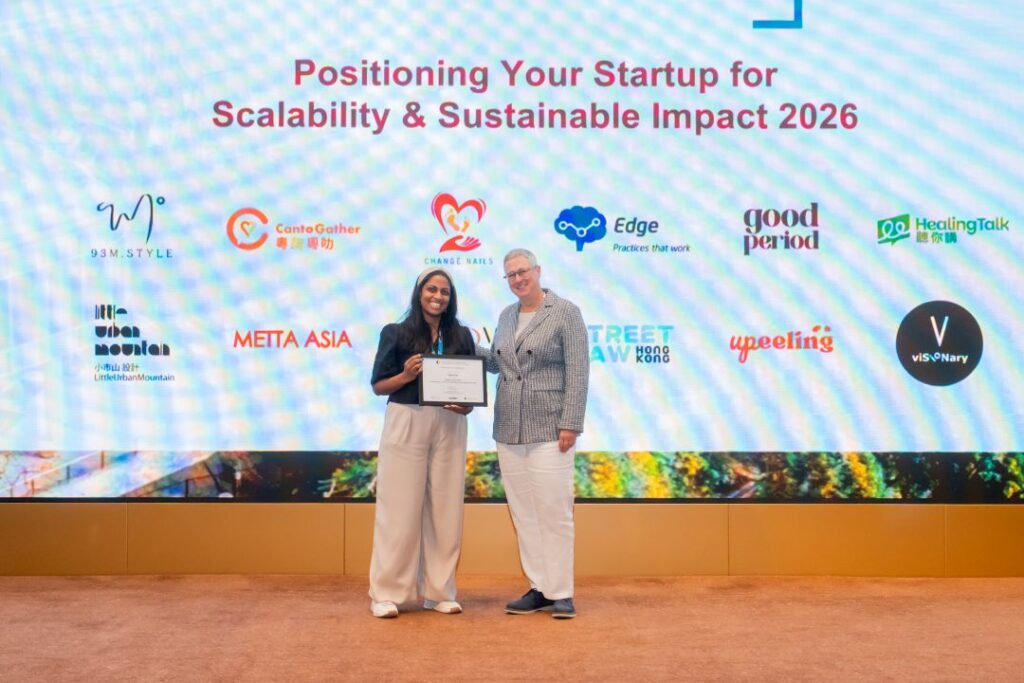
As a person, I learned to trust my transferable skills. I spent years thinking my audiology background was a strange detour from entrepreneurship, but my coach Sam [Yu], helped me reframe it as my superpower: diagnostic thinking, active listening, building trust with people, designing protocols.
With the help of my mentor and my coach, I learned the power of ask. So often during this process, I had times where I didn’t reach out for help when I should have, thinking I should have known this myself or I could have figured it out, but this is the precious moment when you need to put your own internal thoughts aside and decide to reach out for help or advice.
I stopped apologizing for my non-traditional path and started owning it. I also became far more comfortable with imperfection. I used to need everything figured out before I would act. That it needed to be perfect, but truly, nothing will be perfect the first time. Now I operate in “progress over perfection” mode without any shame.
Sam – How would you describe Kaylini’s growth in the six-month journey?
Sam: Kaylini demonstrated strong learning agility, which means she rapidly learned from experience and effectively applied the learning to deal with new challenges. Throughout the coaching journey, she became more confident and increasingly believed in herself. She changed her perspective and dared to ask for advice and support. These are critical qualities for a young entrepreneur.
Naman – How would you describe Kaylini’s growth in the six-month journey?
Naman: Kaylini’s growth over these six months was genuinely impressive to watch. She came in with a lot of ambition and raw energy, and over time, she developed real structure and discipline in how she approached her business and her learning.
She always showed up with her homework done and her questions ready, which told me she was treating every single session as a real investment rather than just another calendar slot. She was not waiting for me to lead the conversation. She was driving it.
What I am most proud of is seeing her get accepted into multiple programs during this journey, alongside building Upeeling and her attempt to be active on all social media platforms. That does not happen by accident. That is a reflection of how seriously she took her growth and how she put herself out there consistently. She also got better at something that is genuinely hard, which is learning not just from guidance but from her own decisions, including the ones that did not go as planned. Watching her close that loop on her own was one of the highlights of the journey for me.

Kaylini – Were there any memorable moments for you as a mentee entrepreneur of the program?
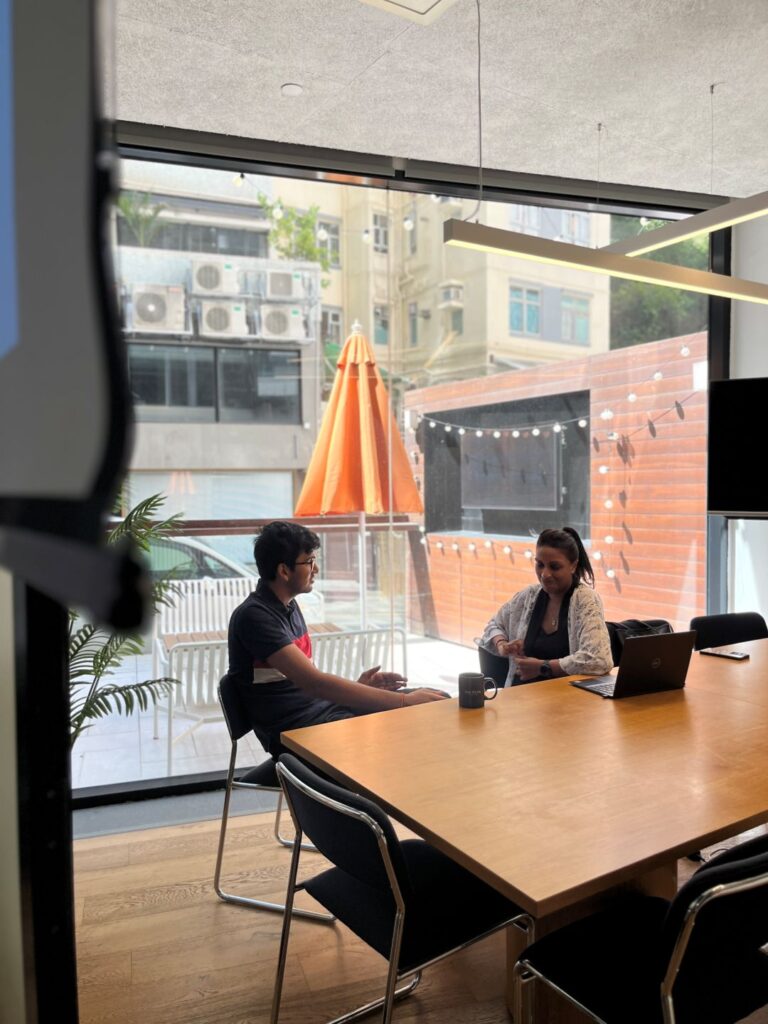
Kaylini: For me, doing the goal-setting plan and timeline with my mentor was a powerful moment, because it truly felt like I was creating the action plan to bring this concept to life.
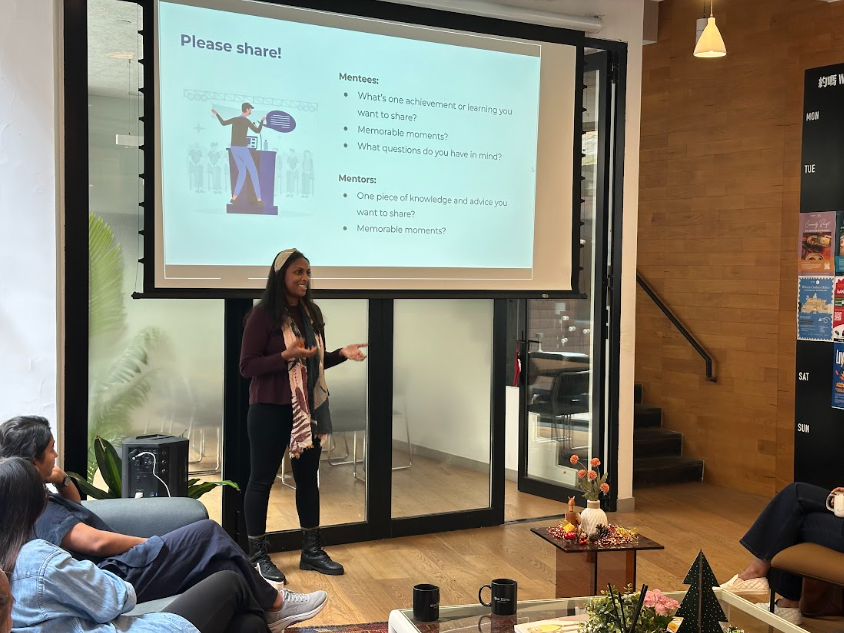
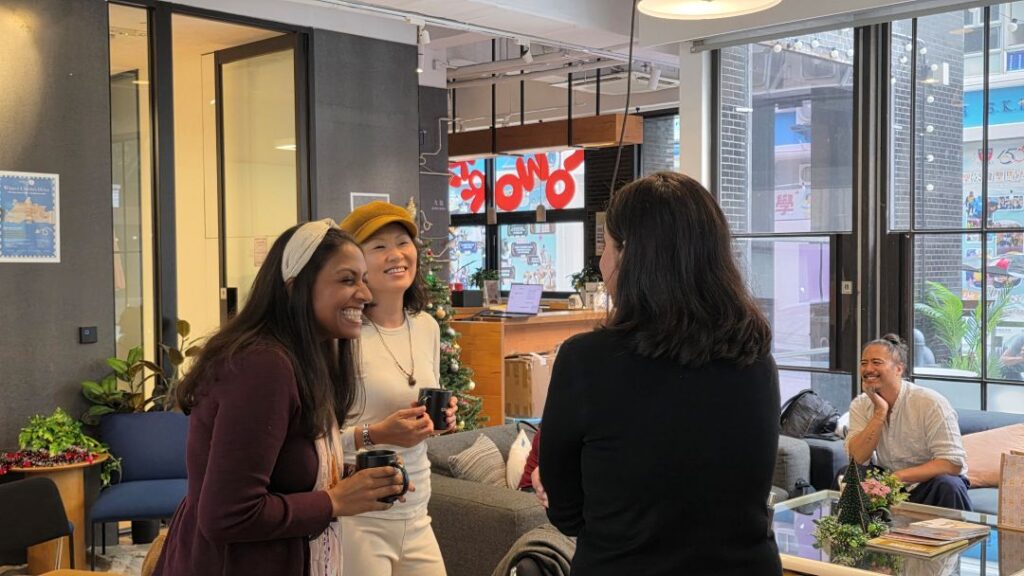
My other favorite and most memorable parts of the program have been the group learning sessions we had together as a cohort. I looked forward to our Saturday morning sessions, as every week I got the opportunity to meet and connect with fellow mentees and hear their wins, challenges, and feed off their energy and enthusiasm, which truly has been a highlight for me and this program.
Describe the support that FSI offers to you as an early-stage entrepreneur beyond the Mentorship Program?
Kaylini: FSI’s support hasn’t stopped. They have continued creating visibility for us, like this interview, which helps me reflect on our brand journey and founder story.
FSI has been incredible in creating many opportunities for upskilling and learning for new entrepreneurs, like the legal contract and pitching workshops with their partners.
Their website also has a wealth of resources for entrepreneurs, but it’s truly the people in the organization that are the greatest resource. Knowing there’s a community that wants to amplify us and what we are building gives me confidence when I walk into rooms where I might be the only founder who looks like me. Isolation has turned into connection, and that matters in this stage.

What’s next for Kaylini Naidoo and Upeeling?
Kaylini: I officially entered the HKSTP Ideation Programme in May. Q2 and Q3 are all about market validation: Completing my first-batch production run, and launching pop-up tastings in corporate and co-working spaces, paired with educational moments about food waste and better-for-you snacking. The goal is to secure my first two to three paid B2B pilot partners and start gathering real willingness-to-pay data.
I’m also laying the groundwork for a soft Direct-to-Consumer launch. In the longer term, it’s about the HKSTP Incubation Programme and scaling production. I have got my hands full, but the ability to learn and grow every single day is truly something I wouldn’t change.
Will you continue to stay connected with and contribute to the FSI community? Why or why not? How?
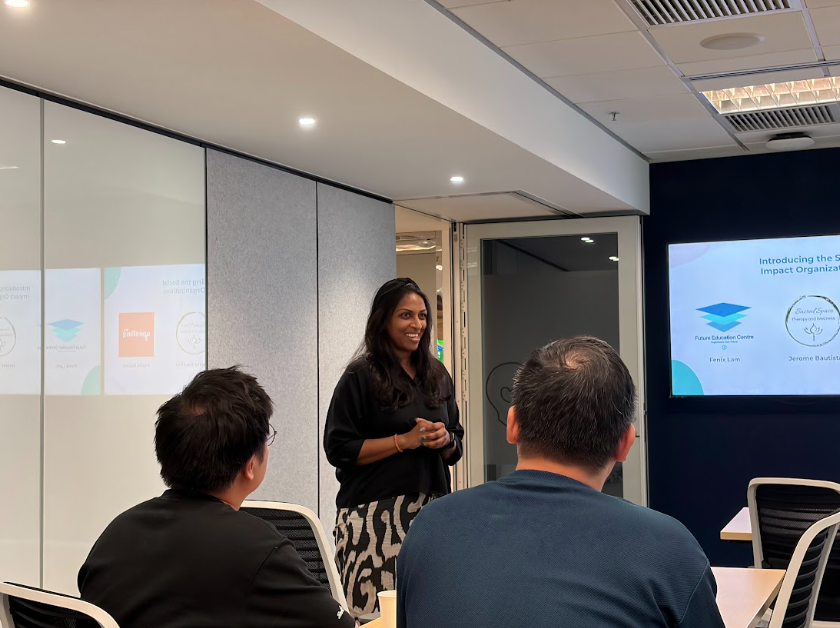
Kaylini: Yes, without hesitation. I plan to stay connected by sharing my progress milestones so the FSI team can see the downstream impact of their work, and by showing up, virtually or in person, for future cohorts who might be exactly where I was six months ago.
As Upeeling grows, I hope to return as a mentor or speaker to share my skill sets and the learnings from this entrepreneurial journey. Representation isn’t just seeing someone succeed; it’s seeing someone with a story that echoes your own. If I can be proof that this path is possible, I want to be that for someone else.
What advice would you give to people who are looking to start their own impact business?
Kaylini: Start before you are ready. I didn’t have everything figured out when I made my first batch of pineapple bites in my home kitchen. I didn’t have suppliers lined up, a food licence, or packaging designed. But I started.
The second thing: find your people. Entrepreneurship is glorified as this solo hero’s journey, but it’s not. It’s lonely and hard, and you need mentors, coaches, and peers who believe in you before you believe in yourself. That’s what FSI gave me.
And finally, impact doesn’t require perfection. My brand is not perfect; there is a lot I still need to figure out. But I’m honest about it, and I’m moving forward. Progress, not perfection. That’s my current mantra.
Would you recommend FSI’s Mentorship Program for Ethnically Diverse Entrepreneurs to others – fellow early-stage entrepreneurs, seasoned entrepreneurs, and coaches? Why or why not?
Kaylini: Absolutely! If you are an aspiring entrepreneur or early-stage founder in Hong Kong, this program is designed for you. It understands the challenges you face, the network and skill gaps, and the impostor syndrome. It’s good business support. You get a mentor who has walked the path, a coach who strengthens your mindset, and a community that celebrates your wins like their own. I came in feeling scattered and alone. I’m leaving with clarity, confidence, and genuine friendships. It’s been an incredibly successful experience for me.
Naman: Yes, and I would recommend it to both aspiring and experienced entrepreneurs without hesitation.
For aspiring entrepreneurs, this program gives you access to people who have genuinely been through the grind of building a company, and that kind of guidance is hard to find and incredibly valuable in the early stages when you need both practical advice and someone in your corner. You are not just getting theory here. You are getting real experience from people who have made the mistakes, so you do not have to repeat all of them.
For experienced entrepreneurs, it is a genuine opportunity to give back, to stay connected to the energy and hunger of early-stage building, and to keep growing through the mentoring relationship itself because you learn more than you expect.
FSI has built something rare with this program. It is not just another networking event or a series of workshops that feel disconnected from reality. It actually creates impact on the ground and has real success stories to show for it. My simple recommendation is to come, join, learn, and grow. You will not regret it.
Sam: Definitely, yes. To the potential mentees who have great ideas and passion, the FSI Mentorship Program, which has fruitful resources, is a great platform to back you up, just like you are jumpstarting from a giant’s shoulder. What you need to do is dare to dream!
I also encourage experienced young entrepreneurs to join as mentors. Your expertise and success (and also failure) stories serve as a lighthouse to the mentees. This is also your practical way to contribute to society. I believe you will get paid back more than you give away.
Naman – At FSI, we truly appreciate the time and effort you put into mentoring the mentee entrepreneursof our Mentorship Program throughout the past years. What makes you keep coming back as a mentor? How has mentoring early-stage or aspiring entrepreneurs helped you grow as a person and entrepreneur?
I keep coming back for a few reasons. At the most personal level, this is my way of giving back to a community that gave me a lot when I was building Breer.
But honestly, beyond the giving back part, this is one of the very few spaces where I get to relive the zero-to-one journey of building a startup, every single time, through completely fresh eyes and new experiences. Every mentee brings a different context, a different set of challenges, and a different way of thinking, and that keeps me on my toes in ways I did not expect when I first joined as a mentor.
I also deeply value the fact that mentorship is never one-directional. I always walk away from these six months having learned something from my mentee, and I think that mutual learning is something really special about this format. And then there is FSI itself. This is genuinely one of the only programs I have come across that creates real, tangible, on-the-ground impact and has given birth to so many success stories over the years. That track record and that community are a big part of what keeps pulling me back each cohort.