“One of the ways that the program transformed my way of thinking is the discussions and debates we had in the office. The topics were all very in-depth, forcing us to engage in profound thinking. They made us wonder: Are there still many such problems in society that cannot be completely solved and can only be mitigated? Why can’t we adopt an alternative approach to address these issues?”
These are the words of reflection from one of the five under-resourced Chinese youth we nurtured through the Community Business Youth Internship (CBYI) Program, a pilot youth empowerment program sponsored by the Peterson Foundation, which has long been committed to supporting the well-being and sustainable development of the community through philanthropy.
Empowering Under-resourced Chinese Youth with Cross-cultural Understanding and Readiness to Transition from School to Work
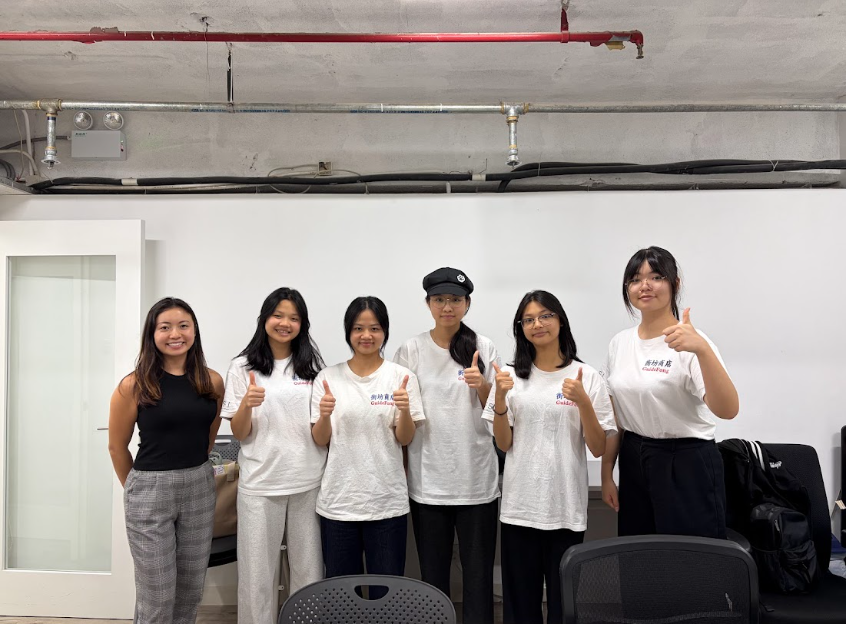
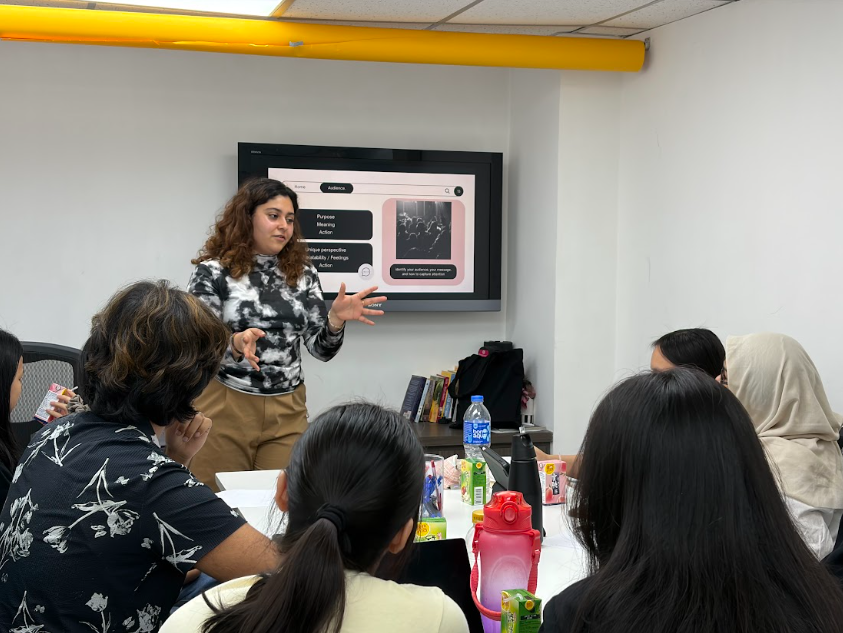
Central to the youth empowerment strategy at Foundation for Shared Impact (FSI) is leveraging impact-based experiential learning to transform today’s youth into tomorrow’s social impact leaders and global citizens.
Upon learning the Peterson Foundation intention to bridge the gap between education and employment for underprivileged Chinese youth, particularly those from Band 2 and Band 3 local schools, we curated the CBYI Program for five Chinese-speaking youth aged 15-18 in Hong Kong. Delivered from October to December 2025, the eight-week initiative was built upon the established success of empowering more than 1,480 youth through our other programs, such as the award-winning Impact Lab, Community Business Internship (CBI), and Summer Impact Fellowship (SIF).
Following several rounds of fruitful discussions with the Peterson Foundation, we identified the key objectives to guide our design and execution of the CBYI Program:
- Essential Skills Building: Equip students with essential skills in project management, cross-cultural communication, problem-solving, creativity, leadership, teamwork, and work ethics to enhance their employability, as well as entrepreneurial skills and mindset to broaden their career pathway.
- Foster a Sense of Purpose: Expand students’ understanding of diverse cultures, career paths, and entrepreneurial opportunities, fostering a greater sense of purpose.
- Build Confidence and Personal Growth: Provide students with mentorship and support from experienced professionals to build confidence and facilitate personal growth.
- Cultivate Belonging and Intercultural Solidarity: Empower students to promote Hong Kong’s diverse small businesses and neighborhood shops within the Cantonese-speaking community, encouraging intercultural exchange, social inclusion, and a sense of belonging.
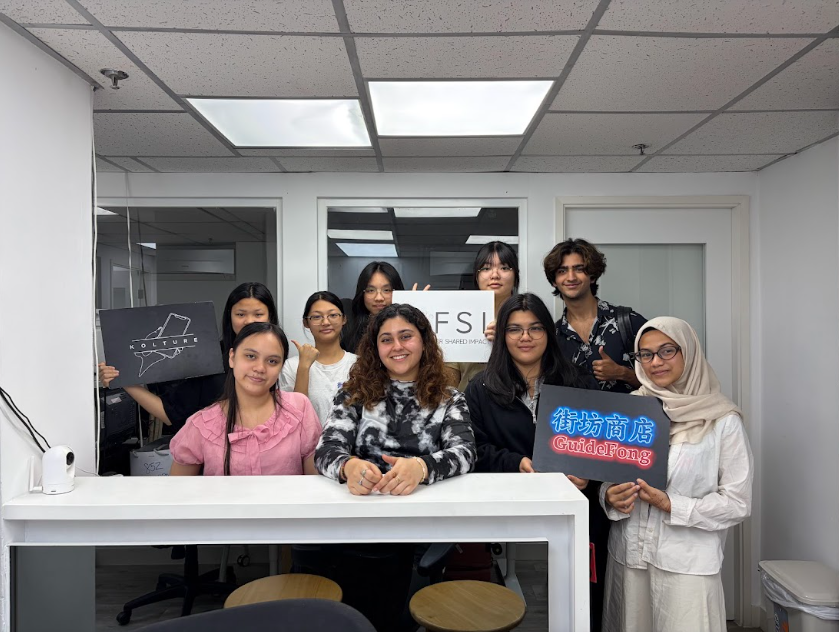
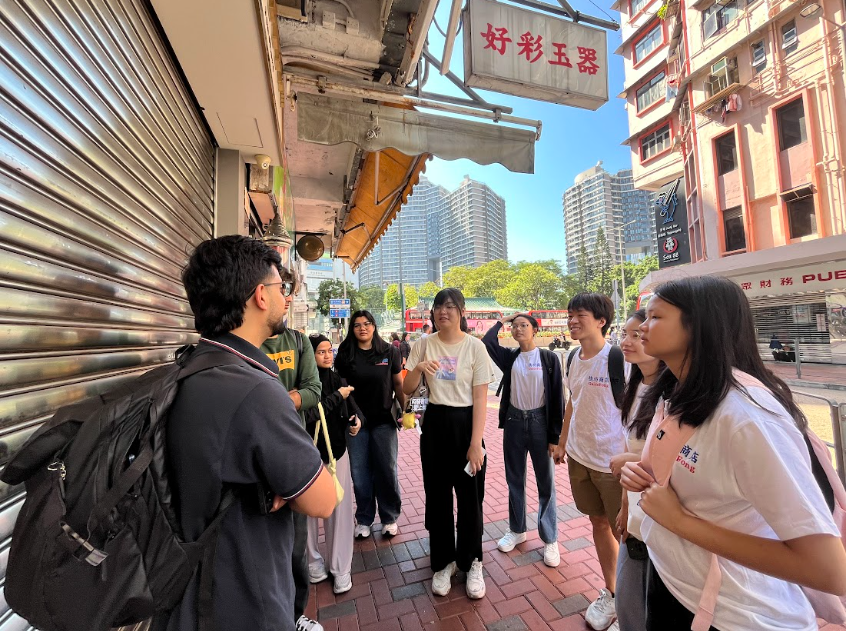
From Interviewing Ethnically Diverse Entrepreneurs in Jordan to Debating the Potential Harm of Social Media
Through a combination of practical experience, direct interactions with ethnically diverse communities, workshops focused on essential skills, and reflective discussions on social issues, students reported significant personal and professional growth.
Said Kingsley Kwok Cheuk Yuen: “What I’m most proud of is interviewing ethnically diverse shop owners and debating with my peers on social issues. I have learned a great deal from these experiences about how to communicate with others, and how to express my views and ideas more efficiently and persuasively. It was an excellent opportunity to train my communication skills. When I was involved in these activities, I constantly faced different challenges, yet I kept overcoming these obstacles and rising to those challenges. I feel that I have really grown over these eight weeks.”
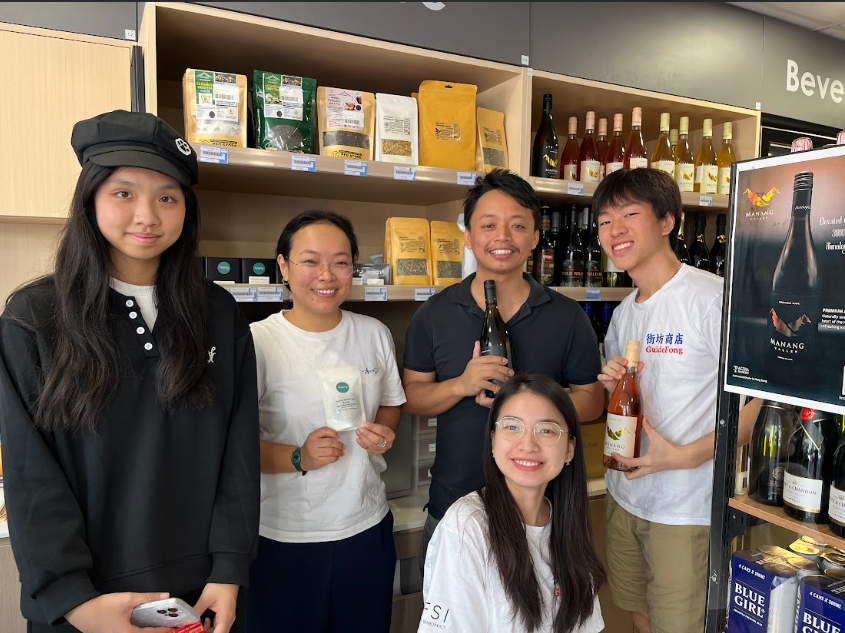
The hands-on nature of the program, intended and duly executed by Veleda Tam, FSI’s Youth Empowerment Program Manager, played a crucial role in enabling students to overcome personal challenges, develop crucial professional skills, and broaden their understanding of Hong Kong’s diverse communities, simultaneously fostering significant growth in areas such as critical thinking, teamwork, and cross-cultural communication.
This is corroborated by Kingsley, who credited Veleda for her invaluable support in terms of inspiration and work guidance. “When we engaged in discussions, Veleda’s words prevented us from being rigid in our thinking. Moreover, when we made mistakes, she didn’t just correct them for us directly; instead, she showed us where and why we went wrong and taught us how to fix our mistakes.”
A Highly Rated Program Successfully Cultivating Personal and Professional Growth in Under-resourced Youth
Our pilot CBYI Program received overwhelmingly positive feedback and a high recommendation rate from the five participating students, who gave the Program five out of five stars for its work relevance and meaningfulness, as they found their work tasks highly valuable and aligned with their expectations of the program and personal and professional growth.
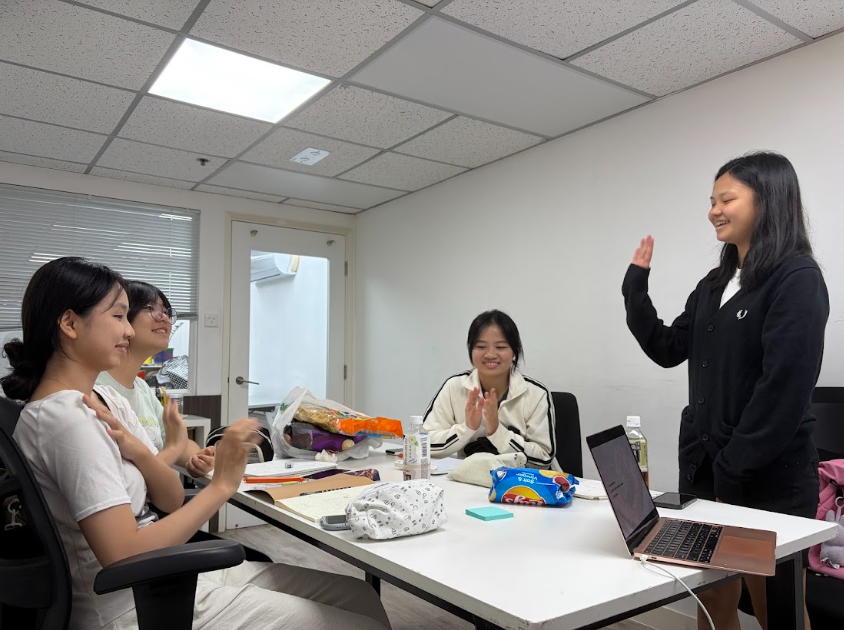
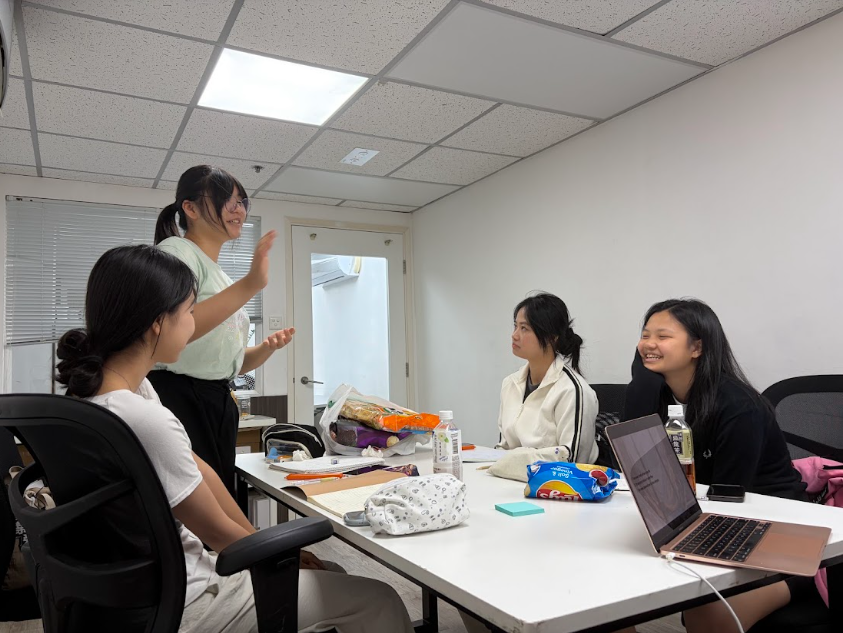
For example, the students described overcoming initial fears of public speaking (especially in English), collaborating with unfamiliar peers, and taking on leadership roles for the first time. The program’s structure, which exemplifies effective experiential learning through real-world tasks such as interviews, debates, and project management, was cited as instrumental in building these skills.
The program also significantly enhanced the students’ critical thinking and problem-solving skills (4.8 stars), and a positive attitude towards collaboration (4.6 stars). In support of the students’ high rating for these aspects of the program, Annie Tso On Ying said, “Discussions around social issues and interviewing ethnically diverse entrepreneurs in Hong Kong had the greatest impact on me. In addition to learning the skills of interviewing and writing up the interviews, I also learned about the ethnically diverse communities in Hong Kong. From discussing social issues with my peers, I learned to take others’ perspectives when gaining an in-depth understanding of an issue and exploring solutions, as well as to collaborate with others so that we can solve problems with collective actions.”
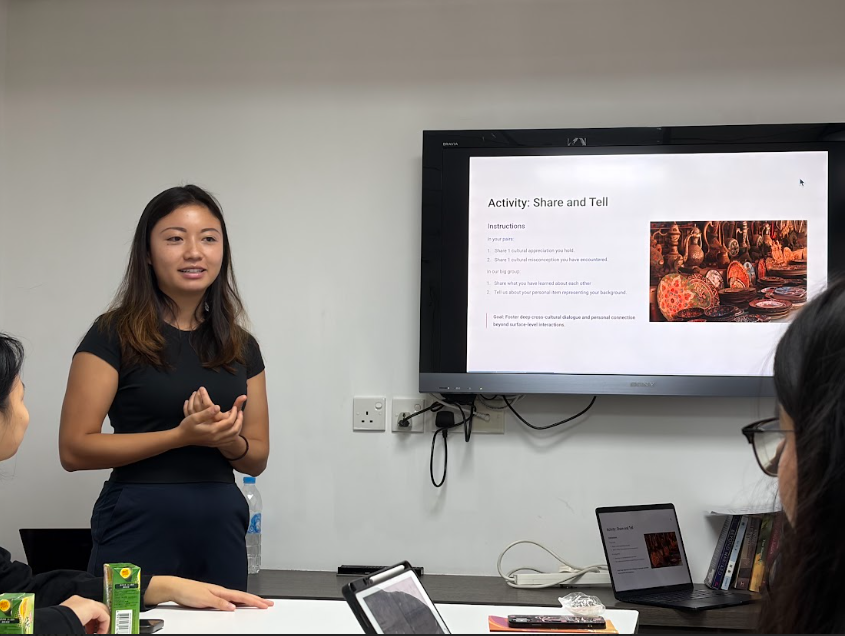
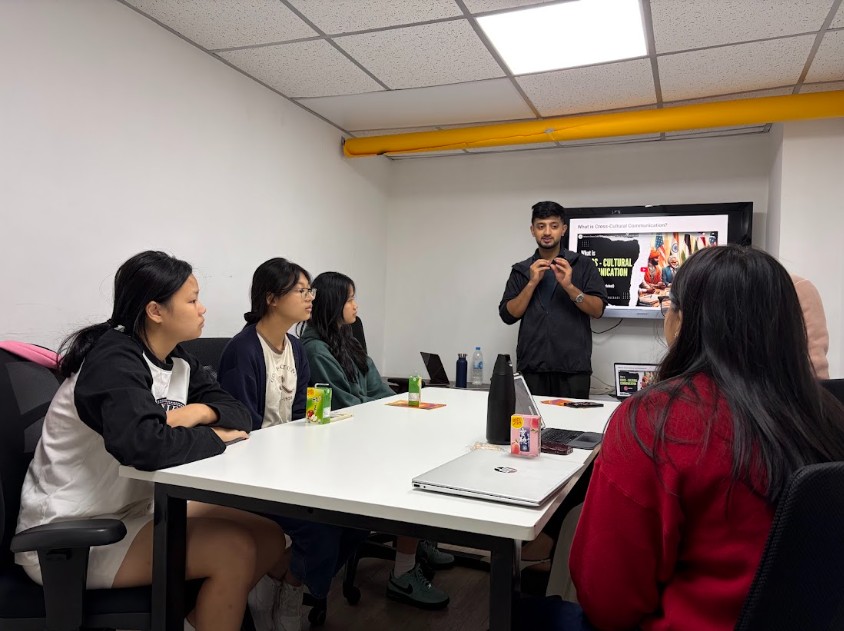
“Before CBYI, I didn’t believe in teamwork because, in my mind, it’s inefficient,” said Kingsley. “At my school, there are many group projects that I end up doing all by myself. But when I truly engaged in teamwork over these eight weeks, I realized that teammates can be important, and teamwork can indeed be highly efficient when everyone follows the plan and works hard in their role. In the future, I will rely more on my teammates and try to trust them instead of doing everything alone. I hope everyone gets a chance to contribute, because that’s the true spirit of teamwork.”
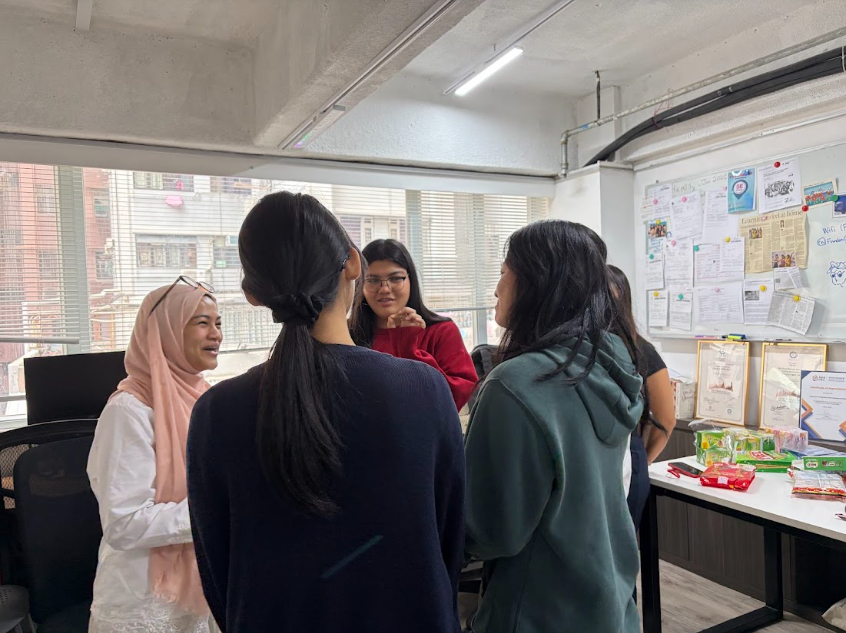
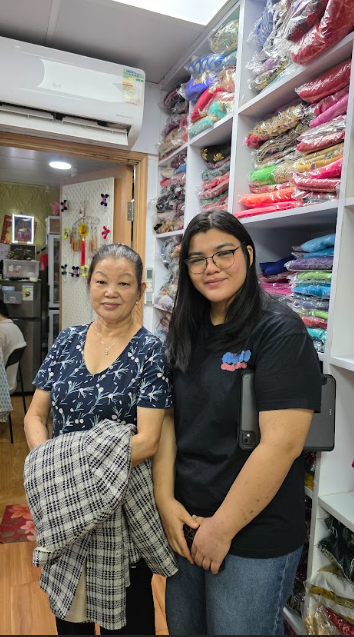
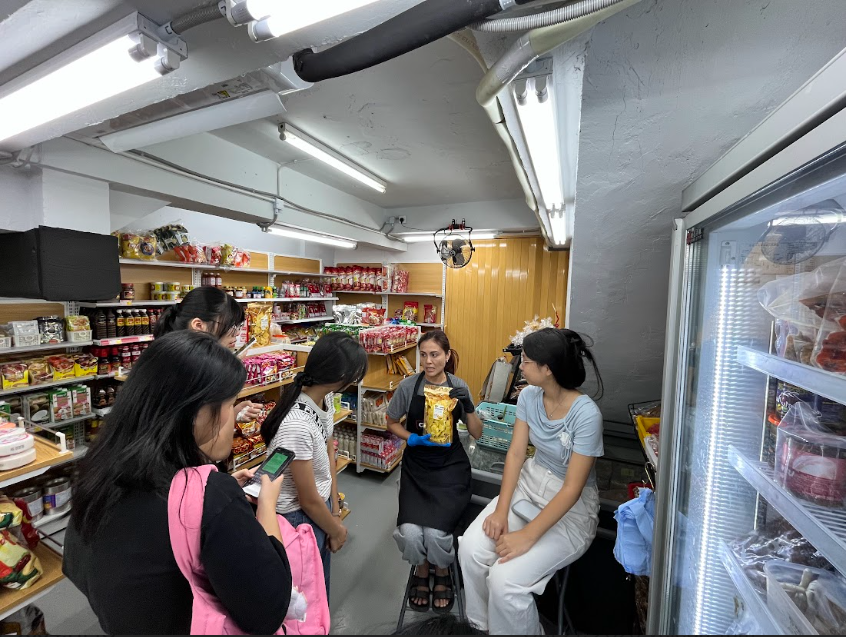
Despite joining the program with relatively little understanding of social impact and entrepreneurial concepts, the students’ familiarity with these two areas has improved significantly by the end of the program. This owes a large part to the intentionally designed topical discussions around social issues, and the engagements with ethnically diverse interns from FSI’s Community Business Internship Program through the cross-cultural team-building workshop as well as the three community outreach sessions, where the students had the opportunity to visit and interview ethnically diverse owners of 15 small businesses in Hong Kong.
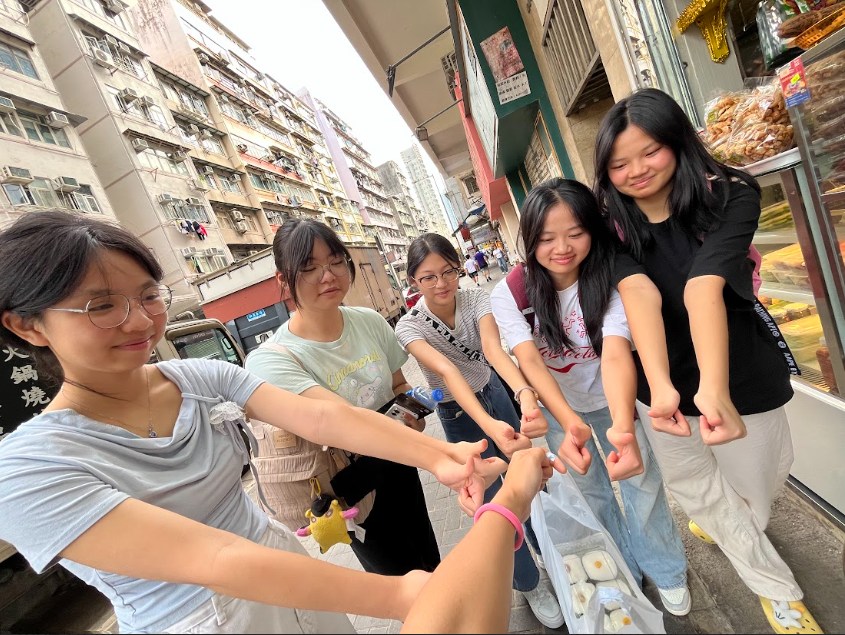
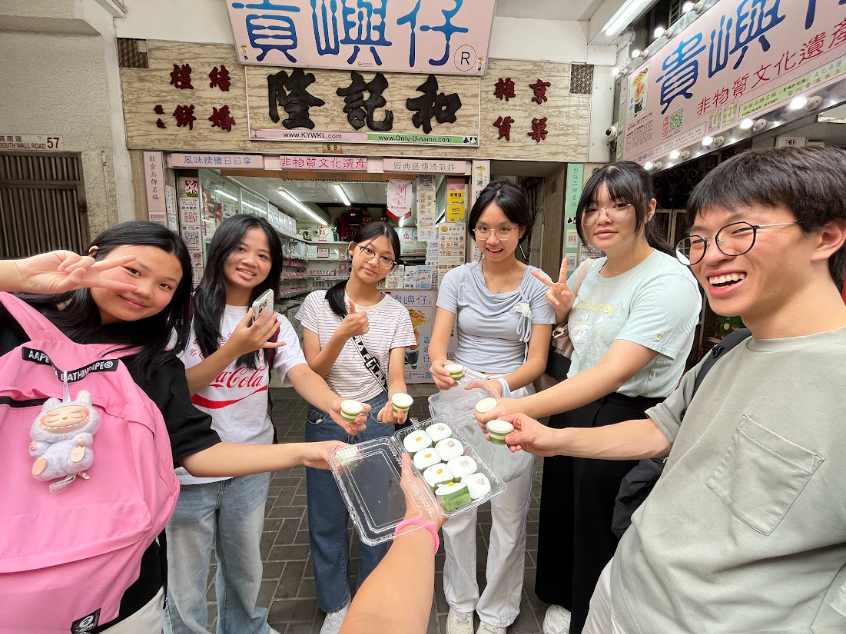
Said Nico Lam Hin Yee: “I find the interviews with ethnically diverse entrepreneurs the most impactful, as they allowed me to reassess my perception of ethnically diverse communities. Not only did the entrepreneurs patiently listen to what we had to say, but they also allowed me to summon the courage to interview them. This experience has taught me to adopt a respectful approach when interacting with other people, and to refrain from holding prejudices against certain individuals just because I read something negative about them online. I can see that ethnically diverse individuals are striving to integrate into society. This highlights the importance of building a truly inclusive society – one that fosters the breaking down of stereotypes.”
Work with Us to Normalize Equitable Access to Quality Education
With all five students indicating that they would recommend the CBYI Program to their peers, the pilot proved to be a great success for us at FSI in empowering under-resourced youth to confidently carve their paths ahead with their newly gained essential skills, knowledge of social impact and entrepreneurship, intercultural sensitivity, and a growth mindset.
One of the unique aspects of the CBYI Program is its target beneficiaries: Band 2 and Band 3 Chinese-speaking secondary school students – students classified as weaker in academic performance under the Education Bureau’s Secondary School Places Allocation system.
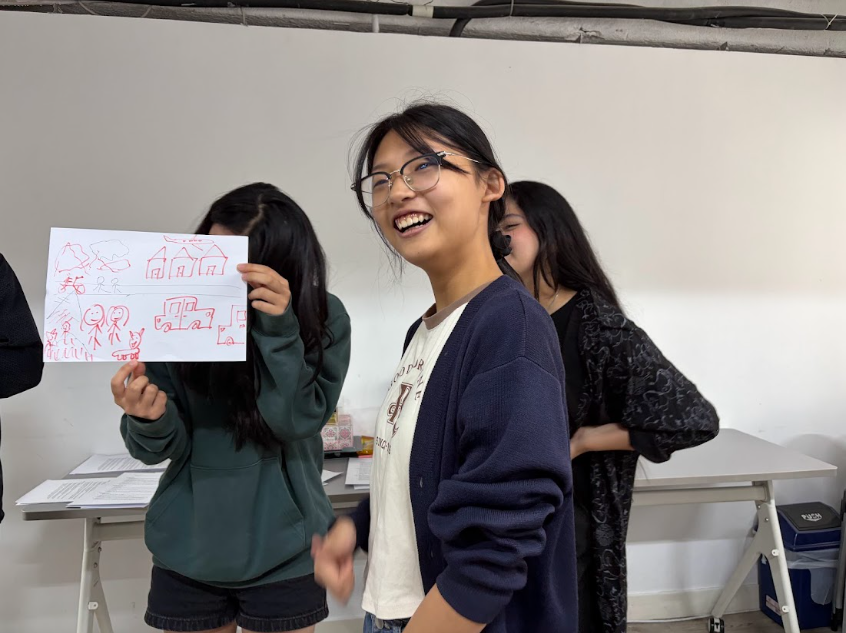
Unlike Band 1 students, Band 2 and 3 students – and the secondary schools they are admitted to – receive fewer resources from the government for learning and teaching support. Compounding the under–resourced youth’s barrier to success is the fact that they often come from low-income families, with close to half of all Band 3 secondary schools in Hong Kong located in the six poorest districts (i.e., Yuen Long, Kwun Tong, Kwai Tsing, Sham Shui Po, Wong Tai Sin, and Tuen Mun).
However, our pilot program has evidenced that we can unleash the remarkable potential of under-resourced youth in Hong Kong by designing equity into access to extracurricular opportunities and real-world exposure. Our CBYI Program has demonstrated that, even in just a matter of eight weeks, participating youth made significant progress in essential workplace and human skills, such as English language proficiency, communication skills, professional conduct, cross-cultural understanding, project planning, and debate preparation.
The insights we gleaned from the impact analysis of the CBYI Program are in line with the School Banding and Creativity of Hong Kong Junior Secondary School Students study, involving 2,411 Chinese-speaking students aged 12-16, from Band 1, 2, and 3 secondary schools. With a focus on the relationship between school banding and students’ creativity, the study found that the school banding system led to the polarization of high- and low-ability students, although all students demonstrated a similar strength in their creative potential at the time they began secondary school at the age of 12.
The truth is, under-resourced youth are no less capable of learning and growing than their peers from more advantageous backgrounds. Empowering youth to build the confidence and resilience crucial to navigating future challenges and opportunities means that we must meet them where they are and provide bespoke support accordingly. To quote Leanne Lan Jia Lu, one of the five CBYI students, “Even though some of the work tasks were challenging, completing the work tasks enabled me to enhance my capabilities. Our supervisor did not just focus on our work deliverables, but she genuinely cared about us and would cheer us on. This helped me realize that a workplace can also be a place where I get the support I need.”
We would like to extend our gratitude to the Peterson Foundation for enabling us to design and execute this pilot program, the invaluable insights and learning we glean from which will inform and enhance our youth empowerment programming going forward. As we look forward to expanding the CBYI program and exploring similar opportunities to empower more students through diverse learning experiences, our focus will be on skills-building workshops and training, prioritizing the development of essential soft skills that equip students with the confidence and capabilities to excel in their academic and professional pursuits. If you are an educator or a funder interested in partnering with us to create an equitable, inclusive, and impactful education system for all, reach out to us at leontine@shared-impact.com!