Following a week of engaging our fellows with the art-focused social enterprise, Gowld Art Centre (GAC), our Summer Impact Fellowship Program entered the third week with a warm welcome to three new fellows, Scarlett Gannon, Julia Hornmark, and Anaya Dadlani, who joined Samara Anand for the remaining two weeks. We would also like to take this opportunity to congratulate Lea El-Asmar and Owen Lee for completing their two-week program.
In addition to learning ways to utilize design thinking to tackle complex social issues, the four fellows gained a comprehensive understanding of the challenges faced by migrant workers through their placement with Migrasia, and witnessed firsthand the plastic pollution at a beach clean-up led by Plastic Free Seas.
Read on to learn the highlights of the fellows’ learning journey.
Leveraging Design Thinking to Tackle Complex Social Issues
Aligning with our program’s objective to help youth integrate social impact and shared impact into their career planning, we started the third week with a Design Thinking workshop to equip the fellows with a framework for tackling complex social issues. By guiding them to look beyond the surface to examine underlying factors and understand the systems at play, we enabled the fellows to use design thinking to ideate creative solutions to protracted social issues.
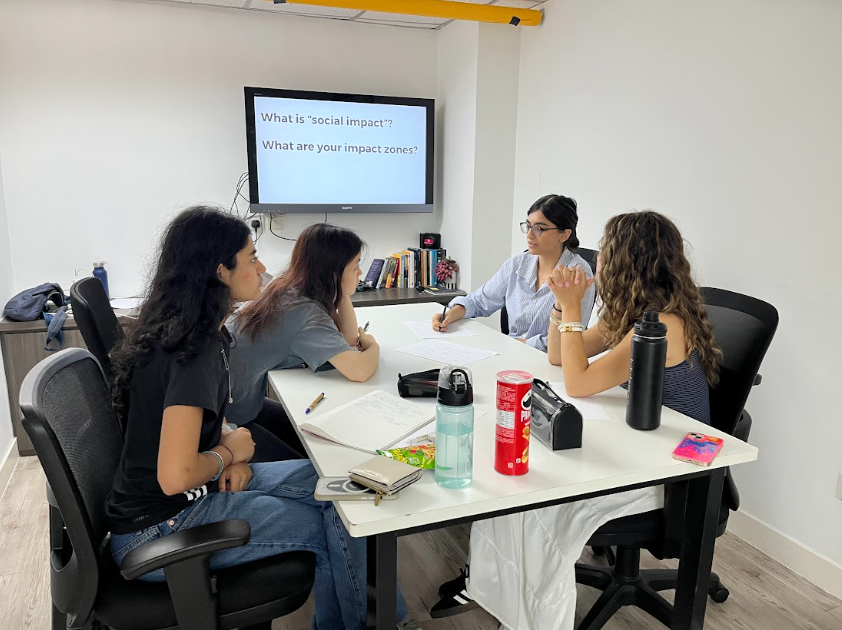
We prompted the fellows to contemplate what constituted “change” and “changemaker”, followed by an in-depth exploration of what needs to change in the various systems in the world today. Once they recognized that many visible problems are merely symptoms of the interconnected challenges deeply rooted in the way systems are built and run, the fellows were able to begin pondering the role of social impact creation.
Using the “Define” and “Ideation” stages of design thinking, we engaged the fellows in a discussion of the issues facing youth today, an analysis of the issues’ root causes by considering the various systems involved, and the generation of the “10 worst ideas ever” to tackle these issues, as a way to encourage the fellows to depart from perceived limitations to unlock unconventional solutions. The fellows took away from the workshop an assignment: to reframe these “worst ideas” into potentially viable solutions, test their viability by seeking feedback from peers to refine their concepts, and present the output at next week’s workshop, “Connect & Convince: Effective Communication and Pitching for Social Impact”.
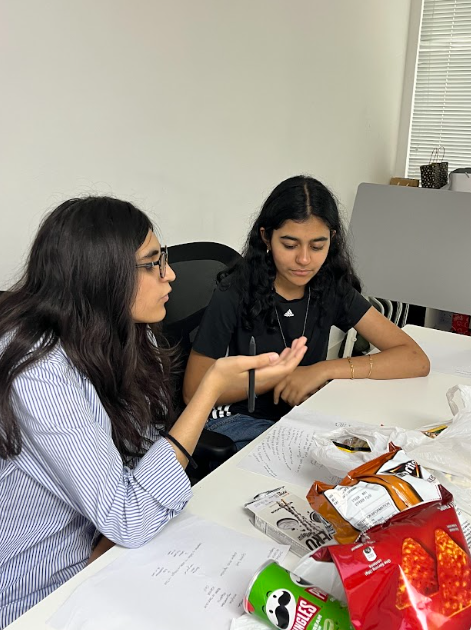
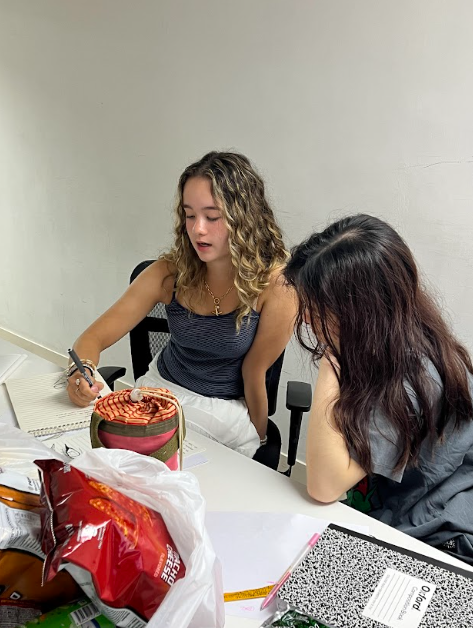
Said Julia Hornmark, one of the fellows: “I learned the importance of approaching an issue with an open mind, and the value of working with other people. Particularly, I enjoyed working through the design thinking process by using the example of mental health and practising ideating solutions in pairs. I found having someone else to brainstorm ideas with very beneficial, as they often challenged my own thinking and offered me a new perspective on an issue or my own solution. I also understood why design thinking is considered a cycle, as you often continually improve or go back to the drawing board with different ideas.”
“I found many of my assumptions challenged during the week,” said Anaya Dadlani, another fellow. “I learned that a lot of the time, charities are actually unable to fully solve an individual’s problems completely, and therefore, tradeoffs must be made, and the end goal shifts to trying to improve their quality of life. This was a completely new concept to me. I believe I gained a much better understanding of the role of charities and the structural barriers they face.”
Delving into the Broken Migration System through Placement with Migrasia
Through their placement with Migrasia, an FSI community partner and a think-and-do tank that fosters solutions to a broken migration system, the fellows gained a comprehensive understanding of the challenges faced by migrant workers, including exploitation and human trafficking.
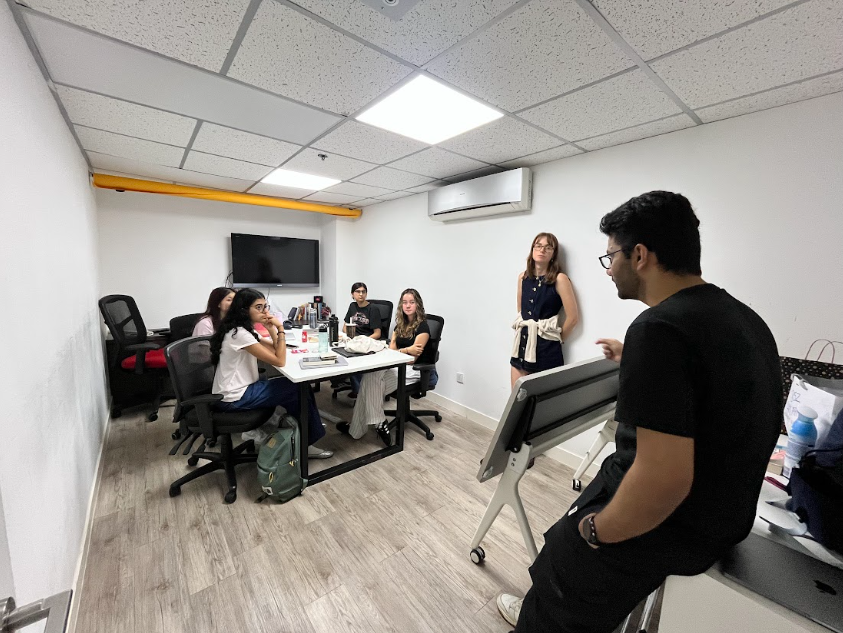
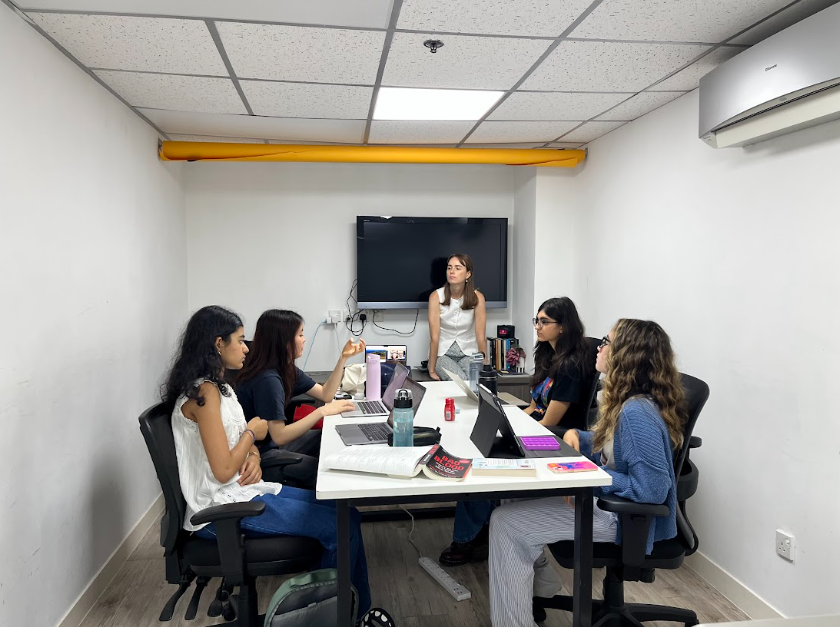
Under the guidance of Paras Kalura, Migrasia’s Chief Operating Officer, Isla Wilson, Chief Programme Officer, and other Migrasia team members based in the Philippines, Indonesia, and Taiwan, the fellows were inspired to advocate for fair labor practices and support migrant worker rights.
After learning about the realities of human trafficking and exploitation of migrant workers, the fellows investigated the issues of debt bondage and forced labor as well as unscrupulous recruitment practices. Their learning was further enriched by the Migrasia Taiwan team’s insights on the situation of factory workers in the island state. The fellows also took a deep dive into Migrasia’s operations by shadowing the Philippines- and Indonesia-based migration specialist teams and learning about Migrasia’s use of technology like AI ( such as the PoBot), Python, and Power BI to achieve social justice.
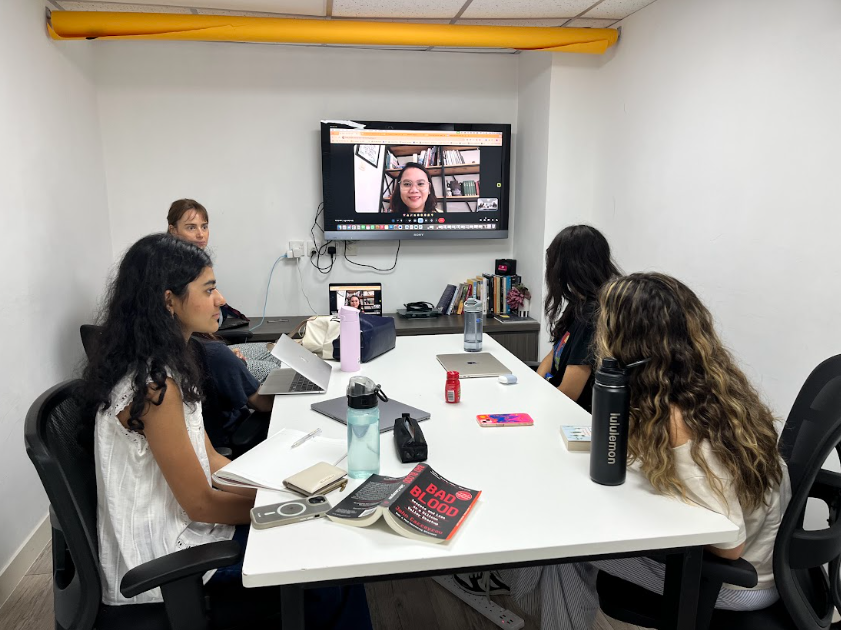
To help the fellows apply their knowledge, the Migrasia team entrusted them with examining company policies on recruitment fees and human rights, and identifying discrepancies between stated ethical standards and actual practices. They also brainstormed ideas for a behavioral change campaign aimed at facilitating a better understanding between migrant domestic workers and their employers in Hong Kong.
The tireless work done by Migrasia left an indelible impression on the fellows. Said Samara Anand: “I really enjoyed the work that Migrasia does. I am seriously passionate about the domestic helper issue in Hong Kong, and I want to help the factory workers in Taiwan. I researched more about sex trafficking victims and watched an engaging movie on the Southeast Asian lucrative scam compounds. I want to ask Migrasia for the opportunity to work with them outside the Fellowship Program, as I truly believe in Migrasia’s mission and want to do anything I can to help.”
“For one of our activities, we looked at the different brands that frequently recruit migrant workers and looked deeply into their policies on recruitment fees and human rights statements,” said Scarlett Gannon. “We were tasked with compiling lists of companies that have or don’t have these policies in place. The information would be used by Migrasia to inform their work. This made me feel as though I were really making a difference by being involved in the process.”
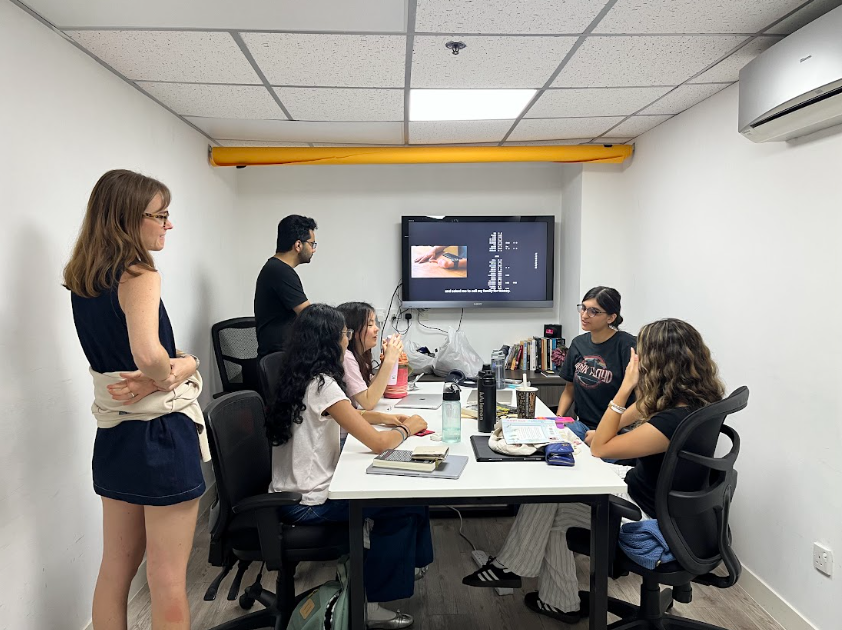
And the fellows’ passion for Migrasia’s work did not go unnoticed. As observed by Paras Kalura: “Samara’s willingness to explore the topics on her own showcases her keen interest in understanding how the social issues discussed impact our personal lives. We were pleasantly surprised to learn that she had a discussion around the money lending issues faced by domestic workers at her home, and took steps to initiate a potential service project. We would be happy to continue to engage with her.”
“Anaya’s ideas were well thought out and articulated well, and she showed a clear interest in the subject matter. She mentioned an interest in future studies in International Relations and working in the non-profit sector. She would be a great addition to the social impact sector, and we have no doubt she will succeed in whatever she pursues.”
“Julia demonstrated the ability to collaborate effectively in team activities. Given her interest in research and psychology, we recommend that she continue to pursue these passions and seek out more hands-on experience. We’re happy to stay in touch and support her if she wants to explore some research projects in the future.”
“Scarlett demonstrates impressive motivation for her age, particularly in her proactive approach to enhancing her CV. Since she’s thinking about studying business, we suggest she dive into projects that mimic a real business setting. She’s on the right track exploring different fields, and we wish her all the best for the future!”
Zooming in on Hong Kong’s Plastic Pollution
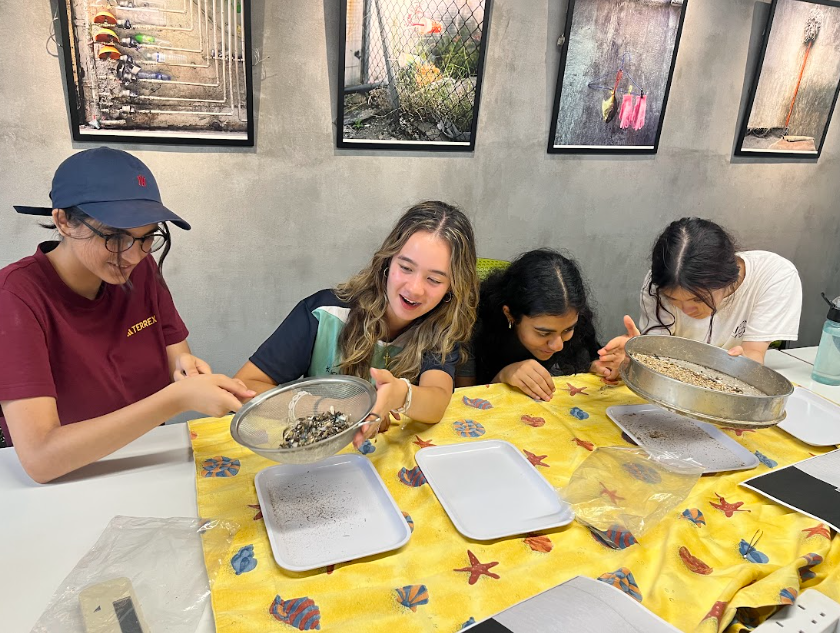
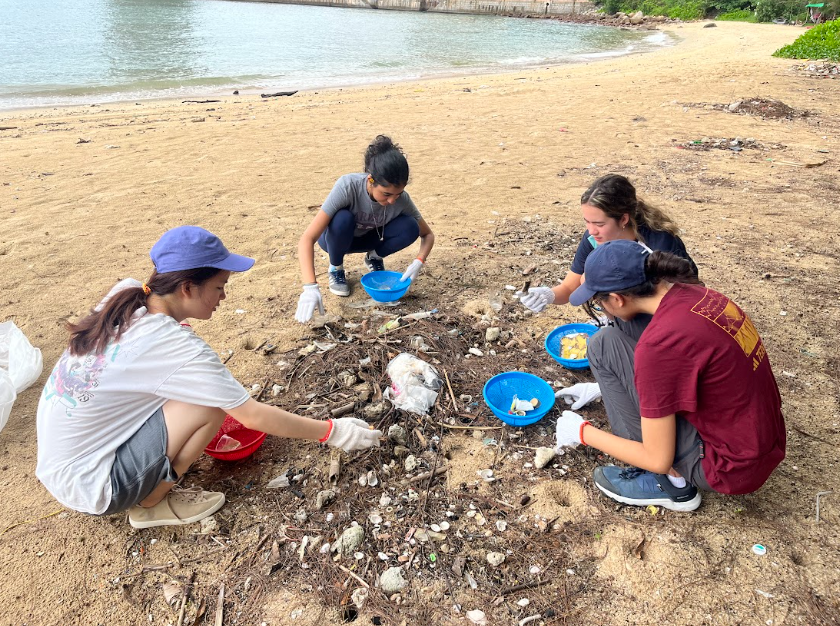
Riding on this year’s Plastic Free July, the fellows joined Plastic Free Seas (PFS) on a beach clean-up in Discovery Bay, led by Lammei Mei Yee Lam, Education Senior Officer at PFS. The four fellows were joined by Linus Leung, a PFS intern, and Audrey Kim, a GREEN Hospitality intern.
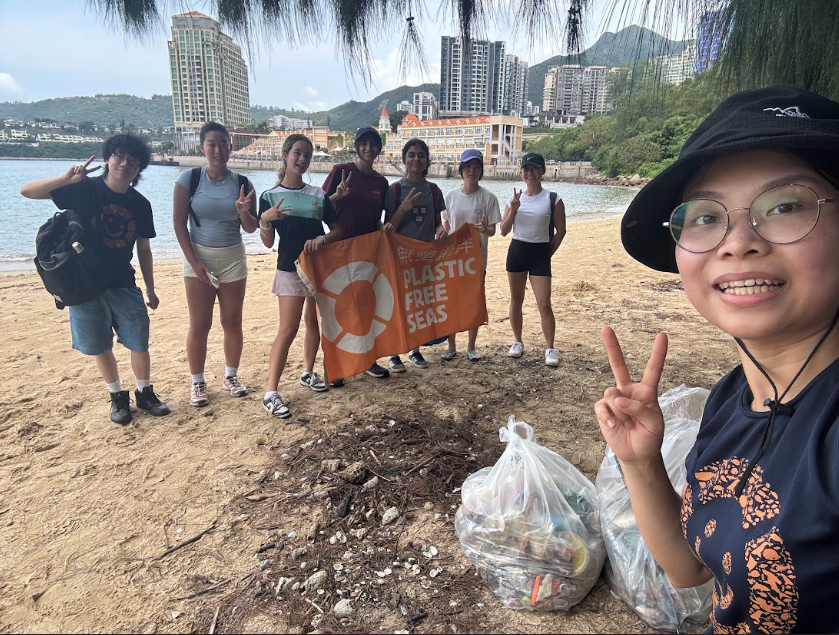
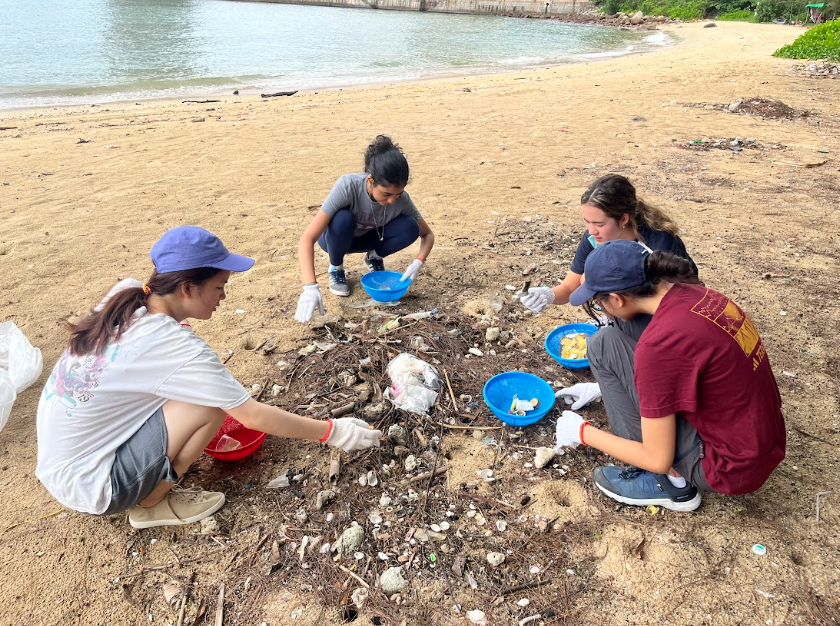
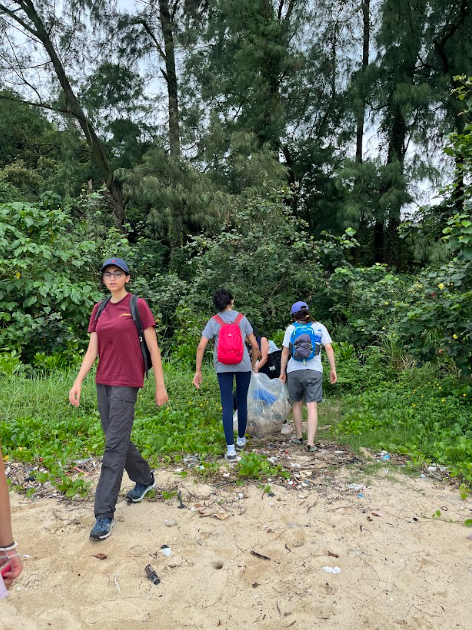
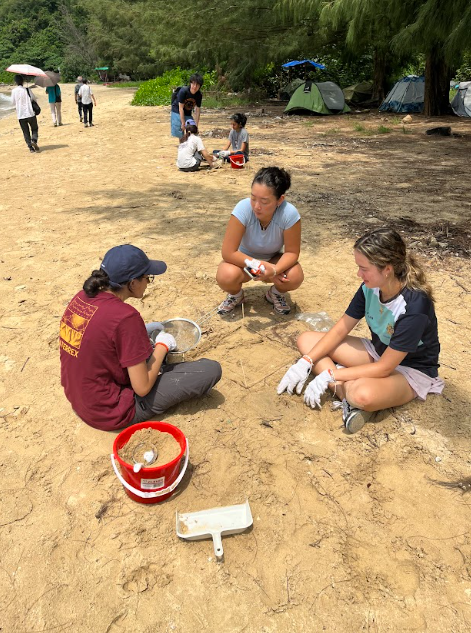
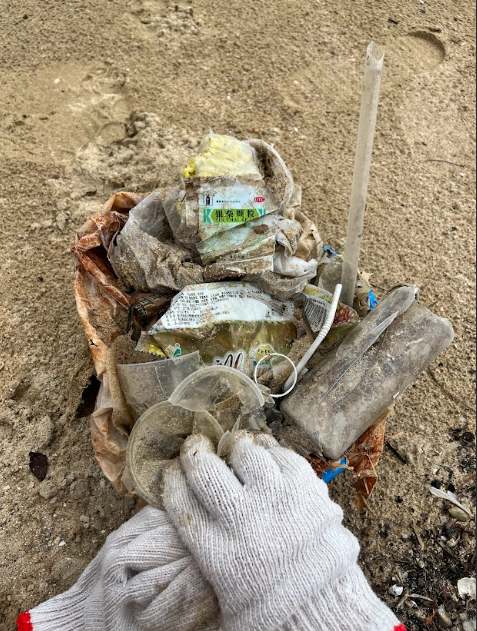
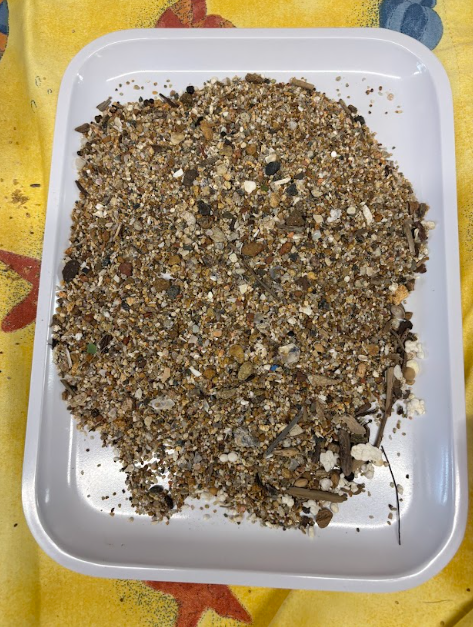
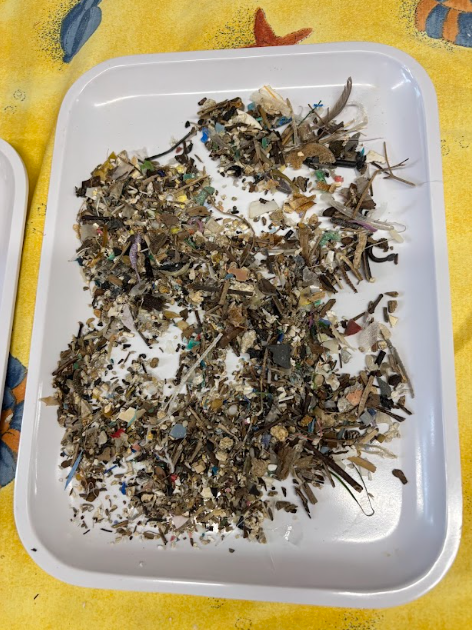
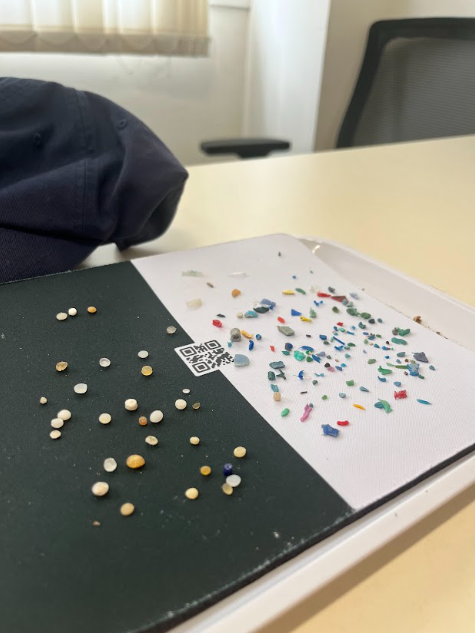
Back at PFS’s office in the afternoon, the fellows analyzed the amount and types of microplastics in the sand samples they collected earlier that day. The fellows were surprised to learn the sheer amount and different types of microplastics in our oceans, which could be the beginning of behavioral change, as intended by PFS.
Reinforcing the Foundation to Drive Tangible Change
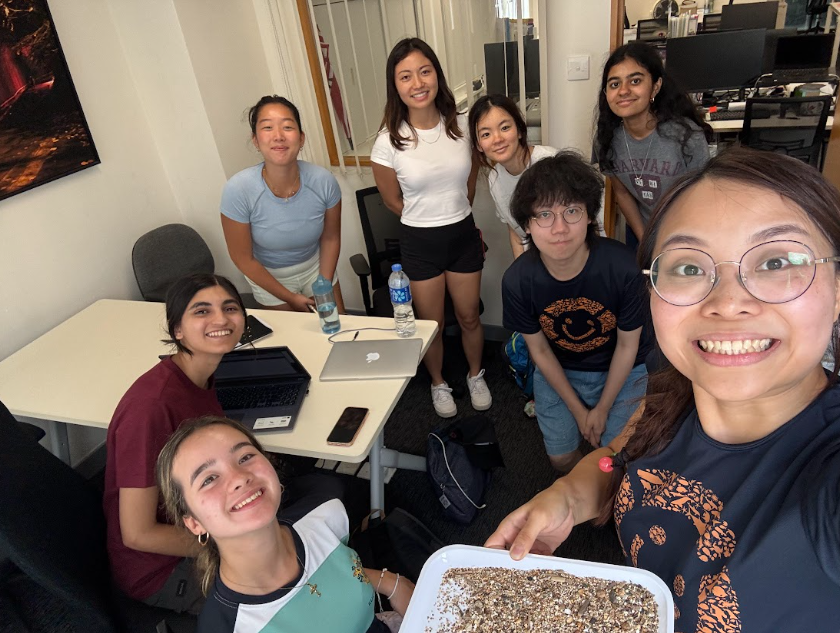
The impactful experiential learning continued in the third week of the Summer Impact Fellowship Program. As observed by Veleda Tam, Youth Empowerment Program Manager at FSI: “The week’s blend of learning about issues of migrant worker exploitation and environmental pollution, highlighted by the eye-opening field trip with Plastic Free Seas, further motivated the fellows’ passion and commitment to enacting tangible change, inspiring them to develop plans for applying their learning within their own communities through school projects. The fellows particularly valued the mentorship provided by Isla and Paras, with three of them expressing a strong desire to continue contributing and collaborating with Migrasia beyond the fellowship.”
Stay tuned for updates on the final week of our 2025 Summer Impact Fellowship Program, as the fellows learn about effective communication and pitching for social impact, in addition to their placement with us at Foundation for Shared Impact (FSI).
If you would like to sponsor youth for our Summer Impact Fellowship Program or support our other youth empowerment initiatives, get in touch with us at info@shared-impact.com!